DJI
DJI Mic 3 Wireless Microphone System – Black (1 TX + 1 RX)
Black DJI Mic 3 kit with one transmitter and one receiver. Includes 32 GB transmitter storage, 32-bit float dual-file recording, adaptive gain control, voice presets, noise cancellation and timecode. Camera cable, USB-C phone adapter, magnetic charging cable and compact pouch are included; charging case and Lightning adapter are sold separately.
Overview
DJI MIC 3 · BLACK · 1 TX + 1 RX
Compact wireless audio with a recorder and timecode built in
The DJI Mic 3 1 TX + 1 RX kit gives one creator a compact transmitter, a touchscreen receiver and the connections needed for compatible cameras, USB-C phones and computers. Record locally in 24-bit or 32-bit float, tailor the transmitted voice with adjustable processing, and use timecode to organize a more demanding production workflow. A charging case is not part of this package.
One transmitter + one receiver
The exact one-person kit includes both units and its connection accessories, without a charging case.
32-bit float local recording
The transmitter can preserve a separate internal recording for editing; this is distinct from the connected camera’s recording format.
32 GB onboard memory
Choose 24-bit or 32-bit float, with single-file or original-plus-processed dual-file recording.
Adaptive voice control
Automatic and Dynamic gain modes work alongside three voice-tone presets and two noise-cancellation levels.
Timecode built in
The receiver generates or accepts timecode, with synchronized metadata available in transmitter recordings.
Expand when needed
Add compatible DJI Mic 3 units for up to 4 TX + 8 RX; extra units and the camera adapter are sold separately.
The exact 1 TX + 1 RX package
This black kit includes one DJI Mic 3 transmitter and one receiver for a single speaker. The receiver, mobile adapter, cables and compact pouch make it suitable for a creator moving between a compatible camera, phone and computer. The units in a combo are linked at the factory.
It is not the two-transmitter charging-case combo. A second transmitter, additional receivers and the charging case are optional purchases. Its receiver can be expanded within the DJI Mic 3 ecosystem, so the one-person starting kit does not limit future compatible multi-person setups.
A small omnidirectional transmitter
The transmitter weighs 16 g with its magnet and uses an integrated omnidirectional microphone. The removable magnetic clip rotates for placement on collars, lapels or hat brims, while the separate magnet offers another way to secure it on suitable clothing. Keep the microphone open to the speaker and fit a windshield for wind.
The transmitter uses charging contacts rather than a built-inUSB-C socket; its magnetic USB charging cable is included. Audio is captured by the integrated microphone. A3.5 mm external lavalier input is not provided on the transmitter, and the receiver’s 3.5 mm connectors serve monitoring, output and timecode functions.
Internal files with room for post-production
The transmitter has 32 GB of built-in storage and recordsWAV files at 48 kHz. Select 24-bit or 32-bit float. The 32-bit float option gives more flexibility when adjusting the internal file’s level in post-production; it does not make the camera’s live input a 32-bit float recording or remove the microphone’s physical sound-pressure limit.
Dual-file recording saves an original capture and a second file with the selected voice processing applied. Keep the original when you want editing flexibility, or use the processed version when its tone, low-cut, noise reduction and gain treatment suit the take.
Manufacturer storage estimates are 57.3 hours for 24-bit single-file recording, 28.6 hours for 24-bit dual-file, 43 hours for 32-bit float single-file, and 21.5 hours for 32-bit float dual-file. These are storage figures, separate from battery runtime. Files are segmented at 30-minute intervals.
Export audio through the included transmitter magnetic charging/data cable and a computer, or use the file-download function in DJI Mimo. Startup auto-recording, low-power auto-recording and loop recording are configurable. With loop recording enabled, full storage overwrites older material; save recordings you need before reusing that space.
Adaptive gain, voice tone and noise handling
Adaptive Gain Control is off by default. Automatic mode helps handle abrupt level changes and clipping risks; Dynamic mode balances variations in speech volume. When adaptive control is enabled, manual receiver-gain adjustment is not available, so choose the control style that fits the session.
Regular, Rich and Bright voice-tone presets offer a natural baseline, a fuller sound or added speech presence. Select Basic or Strong noise cancellation for the surrounding noise, and use the 100 Hz low-cut option when low-frequency rumble is a problem.
The transmitter’s power button can start or stop internal recording and, when the corresponding controls are enabled, a double press switches noise cancellation. Receiver controls or DJI Mimo provide access to the wider set of transmitter settings. Test with the real speaker and recording device before a critical take.
Wireless range and the lossless option
DJI Mic 3 automatically hops between supported 2.4 GHz and 5 GHz bands. Indoor and Outdoor modes reflect the available frequency ranges; supported bands vary by region and operating environment.
DJI’s maximum 400 m range was measured with Lossless Audio off in an open, unobstructed, interference-free setup. It is not an indoor-range promise. More transmitters, interference and lossless transmission can reduce the effective distance.
Lossless Audio sends uncompressed 48 kHz/24-bit audio to the receiver for a higher-data-rate wireless workflow. DJI recommends it for close, low-interference setups where audio fidelity is the priority. Its published two-transmitter open-area estimate drops to 200 m with lossless enabled, illustrating the range trade-off rather than guaranteeing a distance for every setup.
Camera, phone, computer and headphone connections
Connect the receiver’s analog output to a compatible camera microphone input with the supplied locking 3.5 mmTRS-to-TRS cable. Its separate 3.5 mm monitor socket accepts headphones, so monitoring does not occupy the camera-output connection. Receiver controls select the monitored source and headphone volume.
The includedUSB-C mobile phone adapter connects the receiver to a compatibleUSB-C phone or tablet. A Mic 3 Lightning adapter is a separate accessory for supported Lightning devices. Mobile adapters from the original DJI Mic, Mic 2, Mic Mini or Pocket 2 are not interchangeable with Mic 3 adapters.
UseUSB-C for compatible computer audio workflows and select the receiver in the recording application. When a receiver is connected to a phone through its mobile adapter, USB-C charging can power the receiver and phone together. Supported phones can also play back recordings without removing the receiver.
Receiver-free Bluetooth and current OsmoAudio support
A transmitter can connect directly to a compatible phone overBluetooth 5.4 without the receiver. Standard phoneBluetooth recording supports one transmitter at a time, and recording or livestreaming depends on the phone operating system and app. Consult DJI’s app-compatibility list rather than assuming every camera or livestream app acceptsBluetooth microphones.
DJI’s current OsmoAudio compatibility matrix lists direct transmitter support for Osmo Action 4, Action 5 Pro, Action 6, Pocket 3, Pocket 4, Pocket 4P, Osmo 360 and Osmo Nano. Action 4 supports one transmitter; the other listed DJI models support up to two. Current firmware and device-specific feature support are required.
Functions vary across those devices. For example, the older Action 4, Action 5 Pro and Pocket 3 use their own clipping-control behavior instead of both Mic 3 adaptive-gain modes. The October 2026 matrix also lists a separate two-transmitter Huawei AI Life workflow with HarmonyOS7.0.0.111+ and AI Life 17.0.4.336+, subject to its marked app-controlled features.
Mono, stereo and four-channel workflows
The receiver supports Mono, Stereo and Quadraphonic routing. Mono combines active transmitters. Stereo provides left/right output; with more than two transmitters, TX1+TX3 share the left channel andTX2+TX4 share the right.
Quadraphonic mode preserves four independent transmitter channels only through a supportedUSB computer/software workflow or the separately sold DJI Mic Series Camera Adapter on compatible SonyMI-shoe cameras. The 3.5 mm analog output remains stereo even when Quadraphonic is selected. With this one-transmitter box, additional transmitter tracks require additional units.
Group linking can coordinate up to four Mic 3 transmitters and eight Mic 3 receivers. The host receiver pairs and controls transmitters, while secondary receivers join the group. Mic 3 transmitters and receivers do not cross-pair with DJI Mic, Mic 2 or Mic Mini units.
Timecode for synchronized editing
The receiver can act as a timecode generator or synchronize to an externalLTC source. In a linked group, the host distributes timecode to compatible secondary receivers and transmitters. Transmitter internal recordings carry timecode metadata for use in a compatible editing workflow.
Available choices include internal-only operation, externalLTC input, LTC output and Audio-TC output. Match the frame rate across the camera, recorder and audio system. Supported rates are 23.98, 24, 25, 29.97, 29.97drop-frame, 30, 50 and 60 fps.
Audio-TC occupies an audio channel and may sound like a repeated buzz when listened to directly; compatible software reads that signal for synchronization. Output routing changes with the selected timecode and channel modes, so plan the audio tracks before filming. Some devices require an appropriate adapter cable beyond the supplied camera cable.
DJI specifies 0.5ppm drift, less than one frame over 24 hours in its continuously powered, interference-free test setup. This rating is not a promise of 24-hour battery runtime. The transmitter receives its timecode from the Mic 3 receiver rather than accepting a separate external timecode cable.
Power, charging and device control
Rated operating time is 8 hours for the transmitter and 10 hours for the receiver under DJI’s test conditions with noise cancellation and internal recording off. Those features and the recording setup affect actual runtime. Approximately 50 minutes is the published full-charge figure per unit.
The included magnetic charging cable charges the transmitter. DJI also rates transmitter charging to 80% in 18 minutes under controlled conditions with that cable. The receiver charges throughUSB-C. A mainsUSB power adapter is not listed as part of this kit.
The optional charging case can recharge a two-transmitter system approximately 2.4times, but it is not supplied here; case-assisted 28-hour marketing figures apply to a different accessory configuration. Use the receiver touchscreen and dial to check batteries, levels and settings, and hold the dial to lock the screen.
Configurable automatic sleep and 15-minute power-off settings help manage idle use. Auto On/Off With Camera can synchronize the receiver with a compatible camera connection over 3.5 mm or the optional camera adapter. DJI Mimo handles configuration, file download and firmware updates; current downloads list iOS15+ or Android 9+, with device compatibility checked separately.
Inside this exact kit
The 1 TX + 1 RX factory package contains the following eleven items. Two differently colored windscreens are provided for the single transmitter. No charging case, second transmitter, headphones, Lightning adapter or Sony camera adapter is included.
1 × DJI Mic 3 transmitter
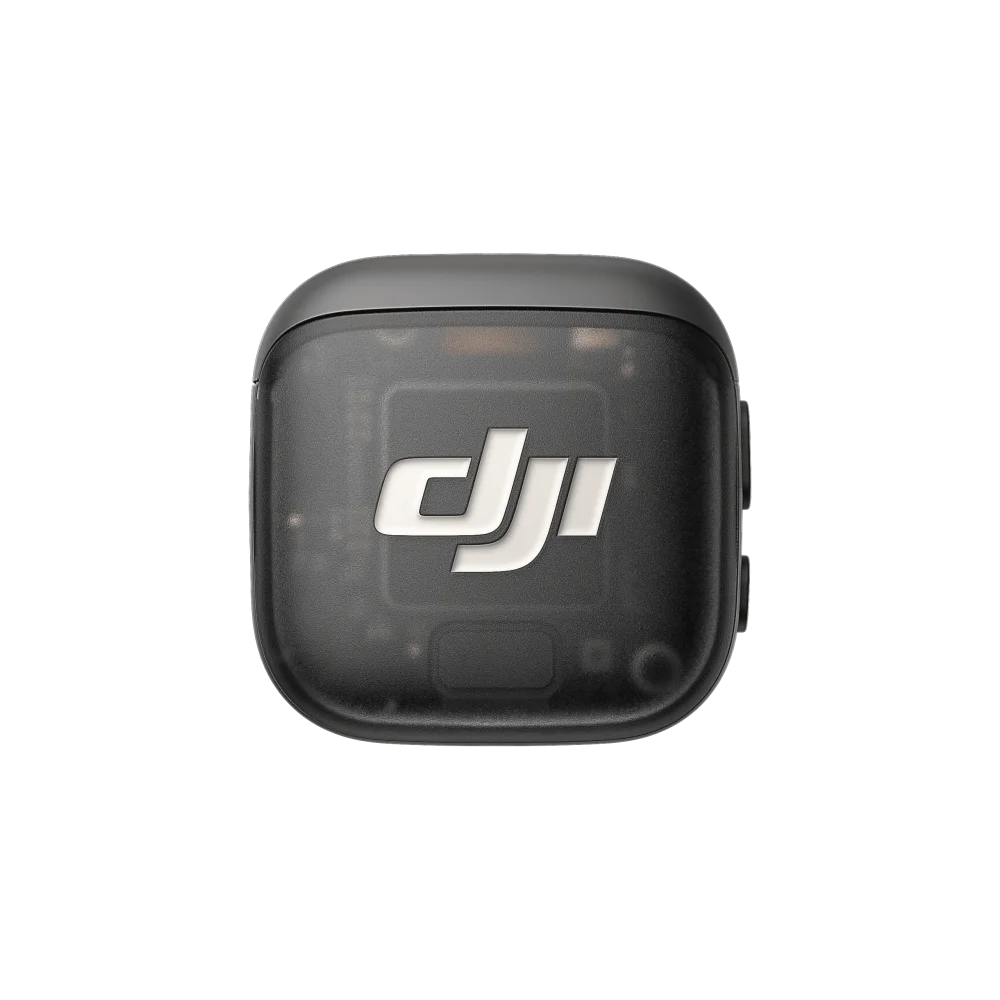
The compact transmitter combines the omnidirectional microphone, 32 GB recorder, built-in battery, wireless radio and charging contacts. It can feed the included receiver, record internally, or use a supported directBluetooth/OsmoAudio connection. This box supplies one transmitter.
1 × DJI Mic 3 receiver
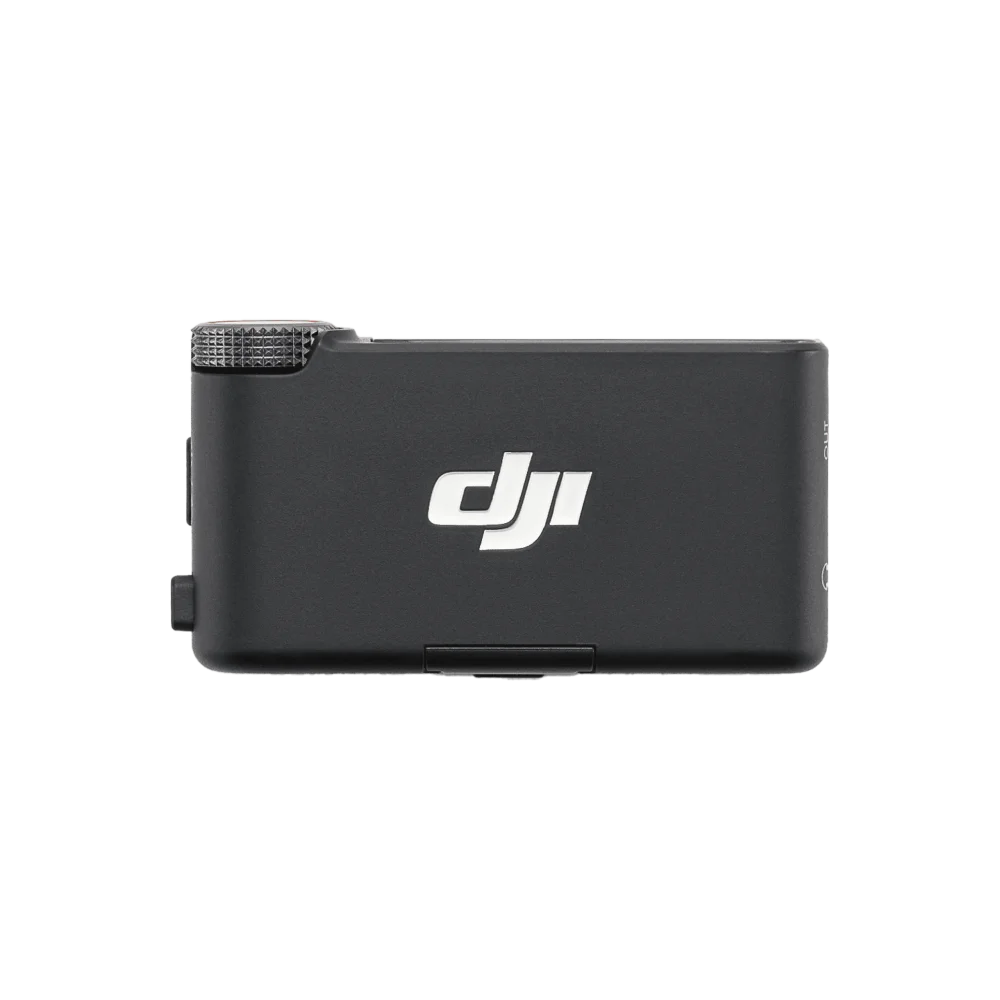
The receiver provides touchscreen and dial control, camera output, separate headphone monitoring, USB-C and a mobile-adapter expansion port. It receives the included transmitter and supports additional Mic 3 units when purchased separately. Its timecode functions support more advanced camera and editing setups.
1 × transmitter magnetic charging cable
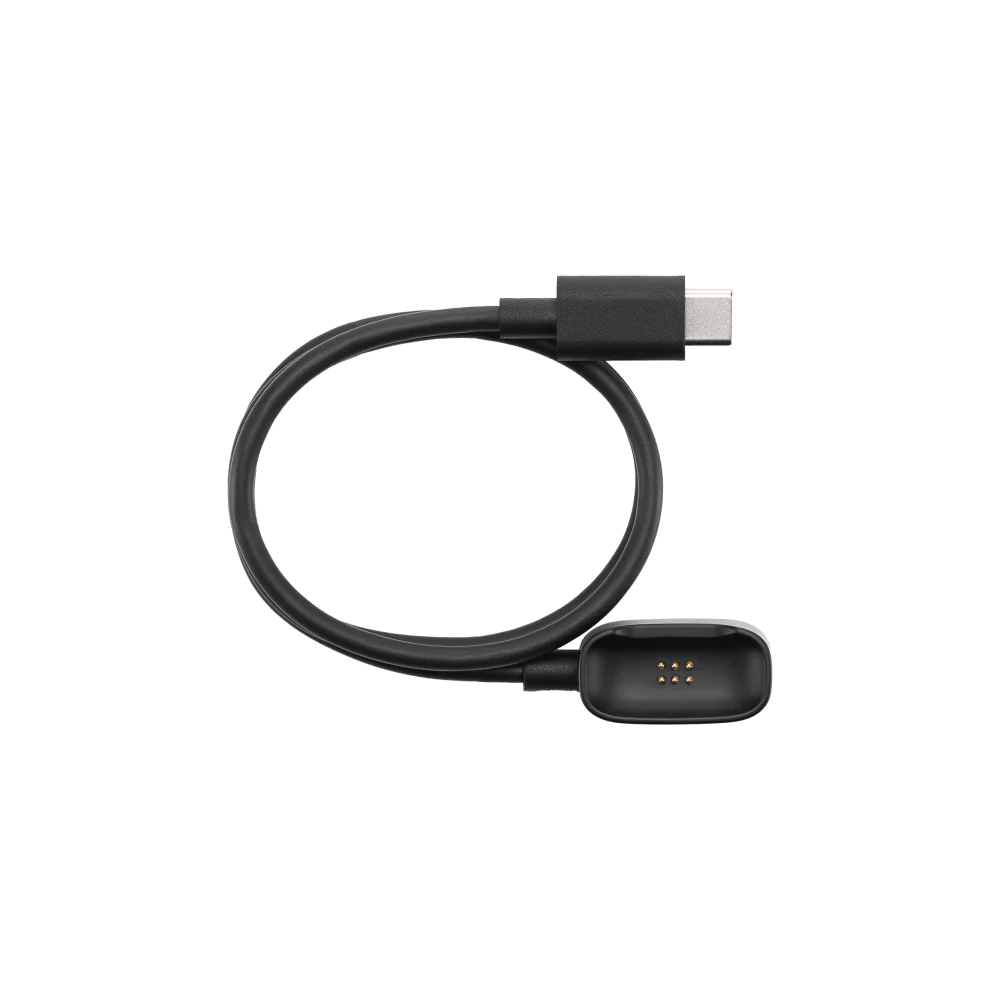
Connect this supplied cable to the transmitter’s magnetic charging contacts and a suitableUSB source. It also provides the wired connection for exporting recordings to a computer, which is especially useful because this package does not include the charging case.
1 × USB-C mobile phone adapter
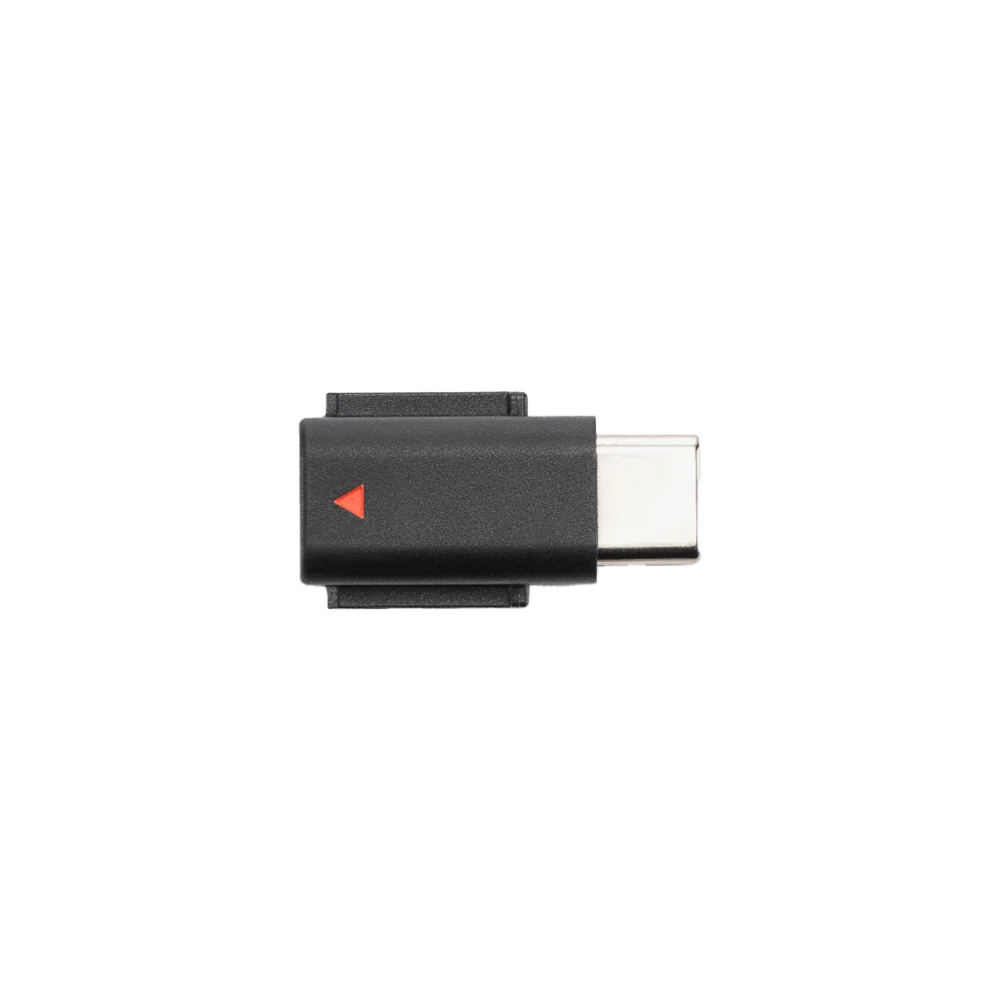
Fit this Mic 3-specific adapter to the receiver’s expansion port and a compatibleUSB-C phone or tablet for digital audio. A Lightning adapter is sold separately. Adapters made for older DJI Mic families should not be substituted.
1 × USB-C-to-USB-C data cable
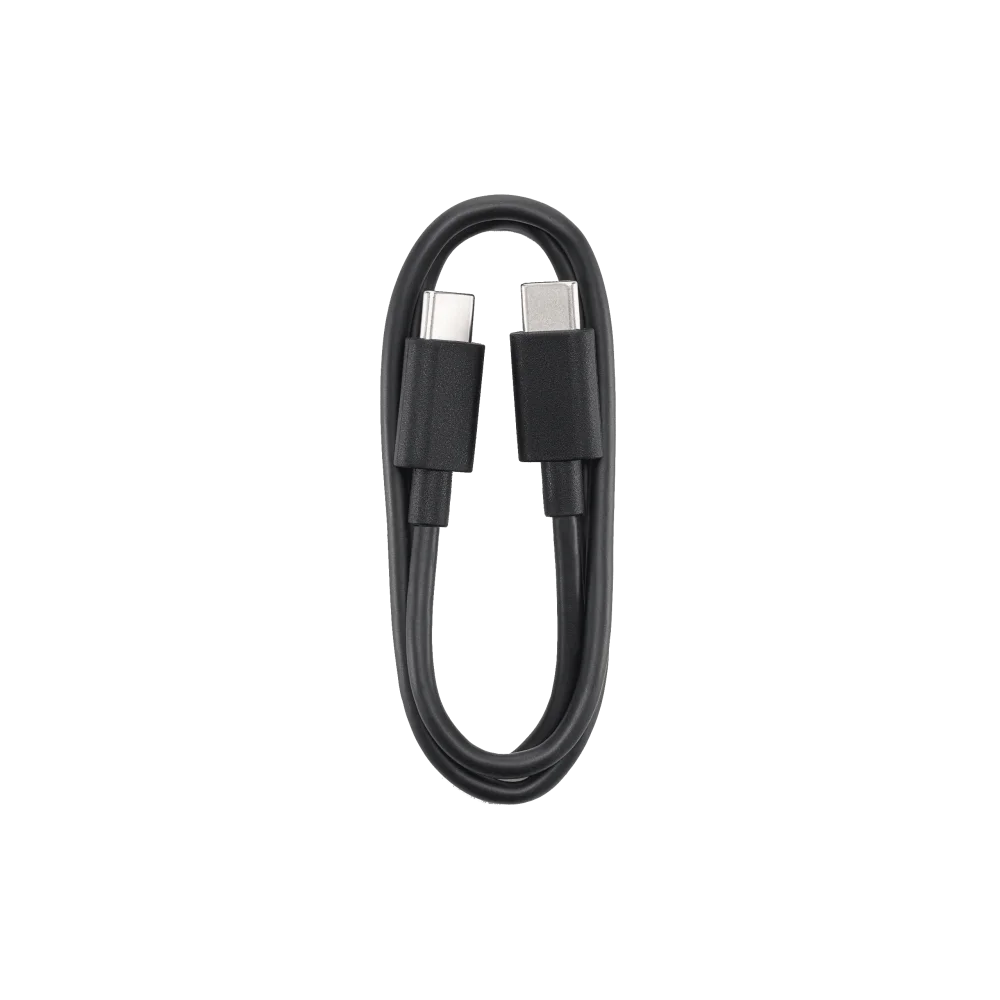
Use the supplied data cable for compatibleUSB-C computer connections or receiver charging. The transmitter itself uses its separate magnetic charging cable. AUSB charger or recording device must provide the appropriate connection for the chosen workflow.
1 × locking 3.5 mmTRS camera cable
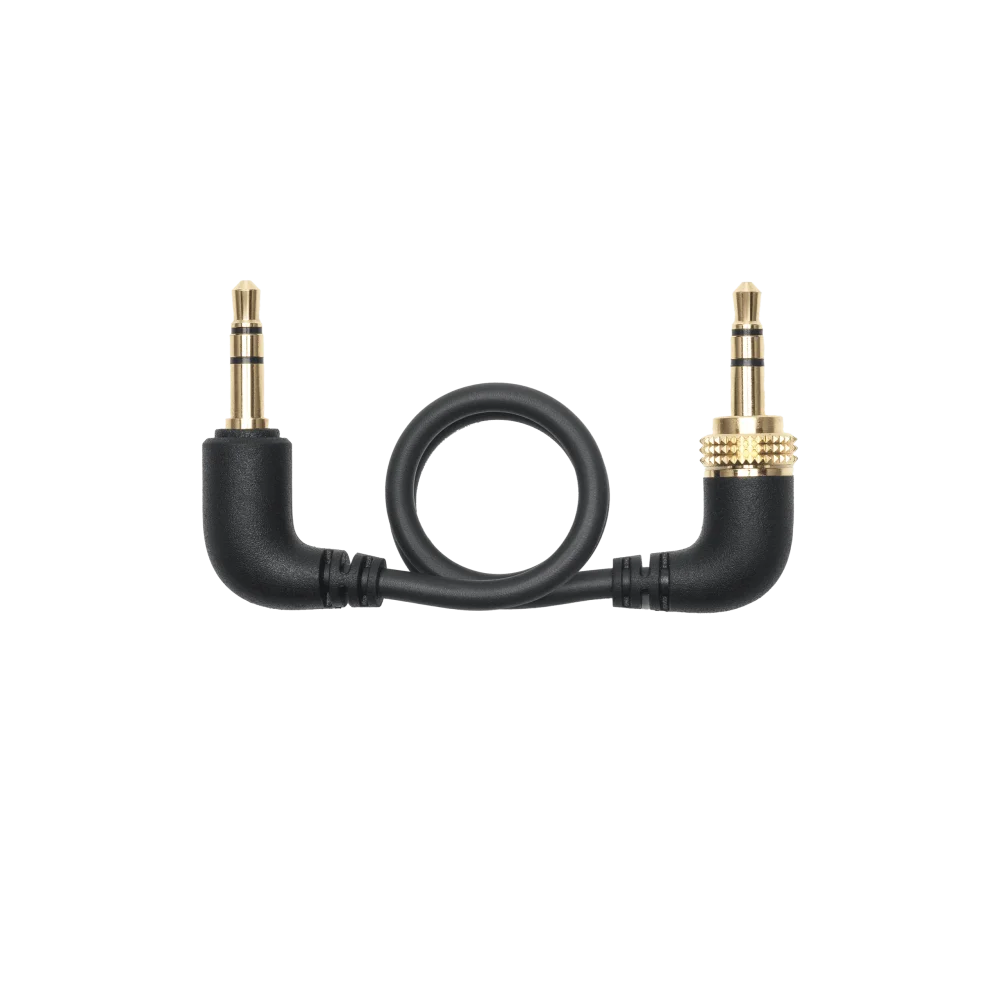
This cable links the receiver’s audio-output socket to a compatible camera or recorder microphone input. The locking connector secures the receiver end. It carries the camera audio connection and is separate from the receiver’s headphone-monitor socket.
1 × black/gray windscreen
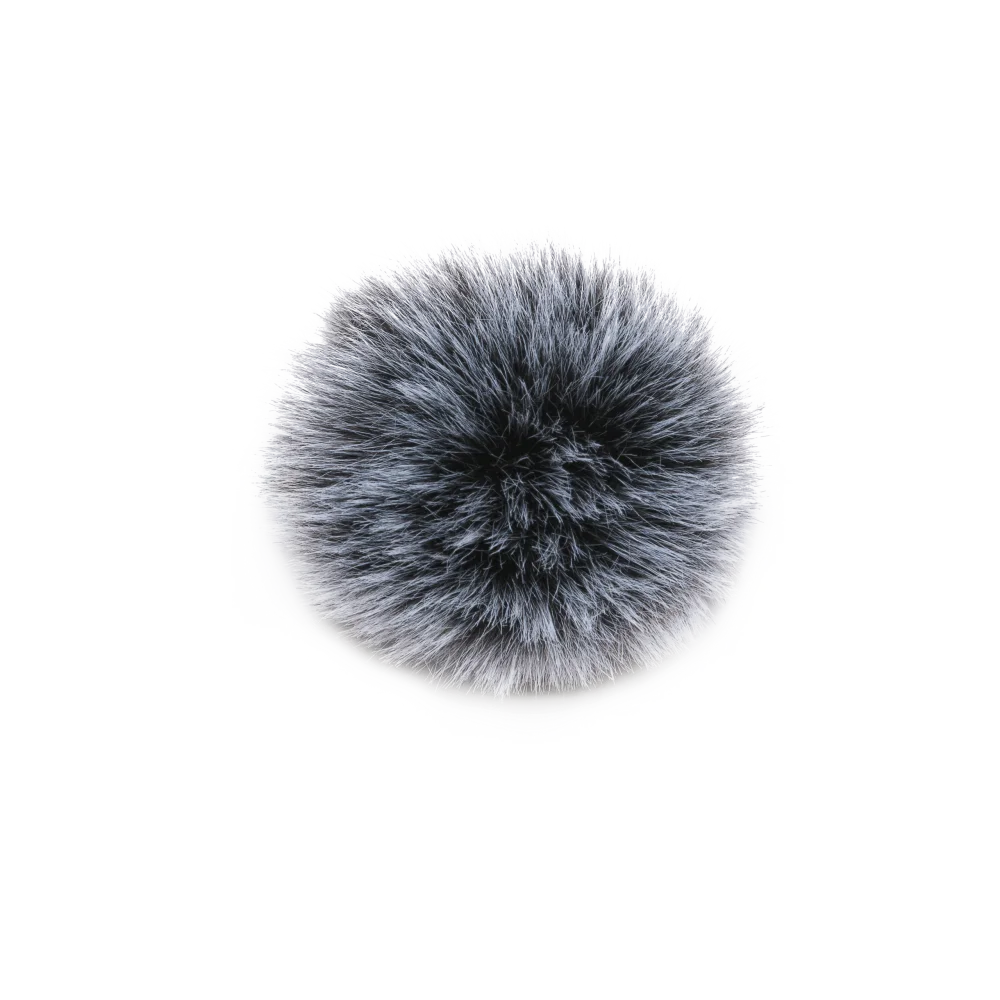
Attach the black/gray windshield to the transmitter when wind could reach the microphone. Its physical wind protection works alongside the electronic sound-processing choices and is an alternative to the included black windshield.
1 × black windscreen
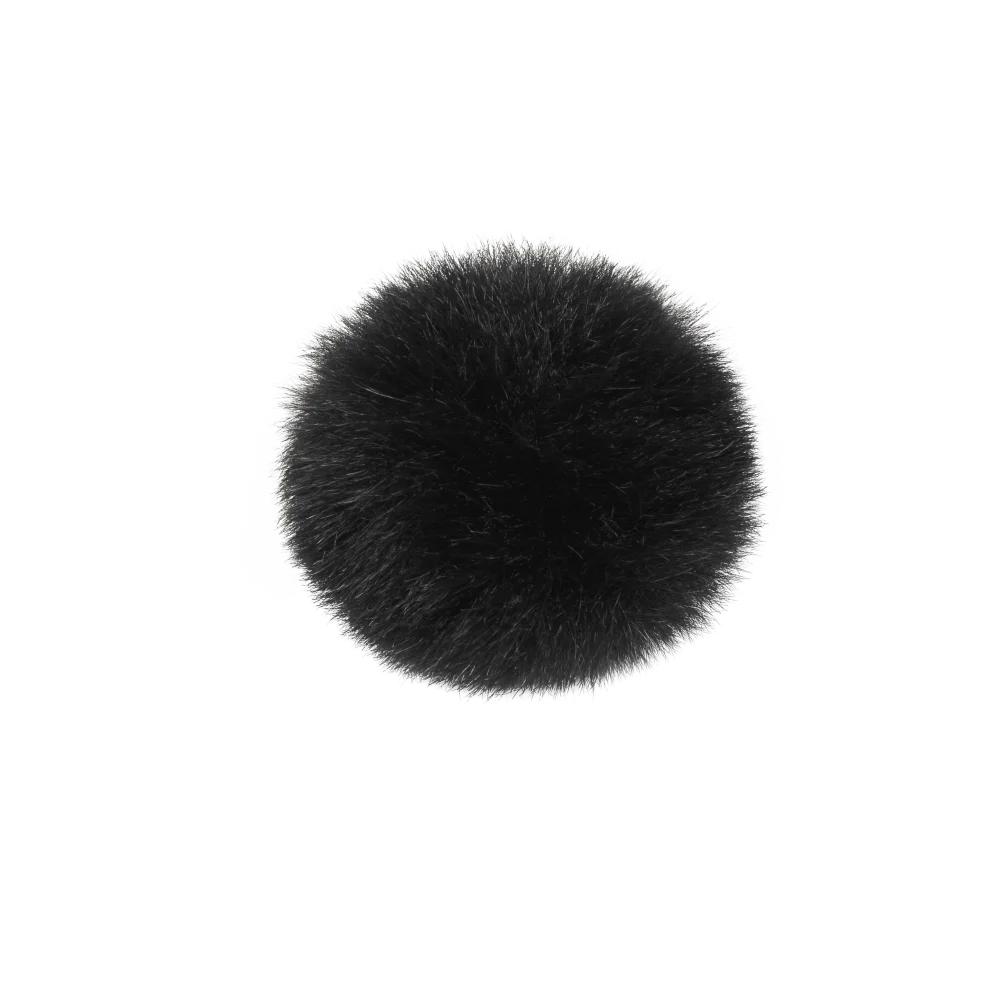
The second windshield provides an all-black choice for the same transmitter. Both windshield colors are included, while the hardware count remains one transmitter and one receiver.
1 × DJI Mic 3 magnet
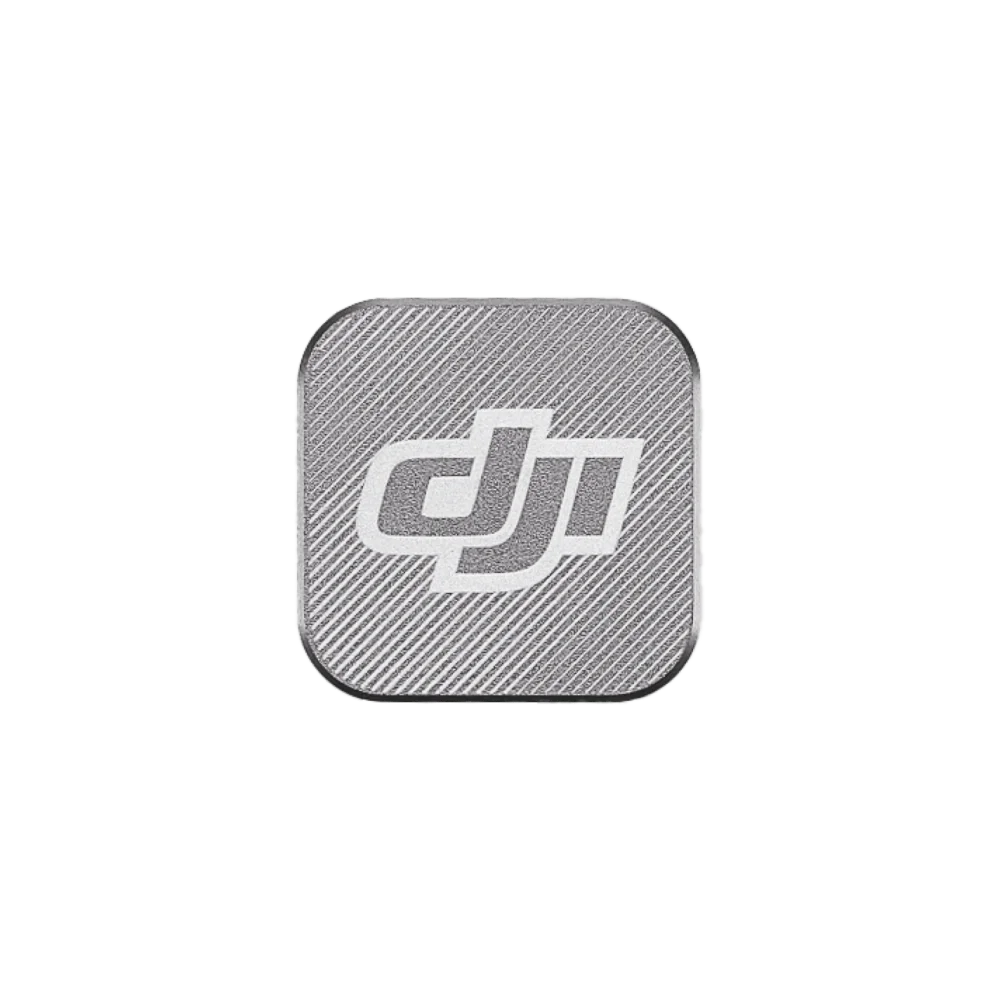
Use the magnet to secure the transmitter on suitable clothing when a conventional clip placement is inconvenient. Select a secure attachment point; heavy clothing and vigorous movement can reduce attachment reliability.
1 × DJI Mic 3 magnetic clip
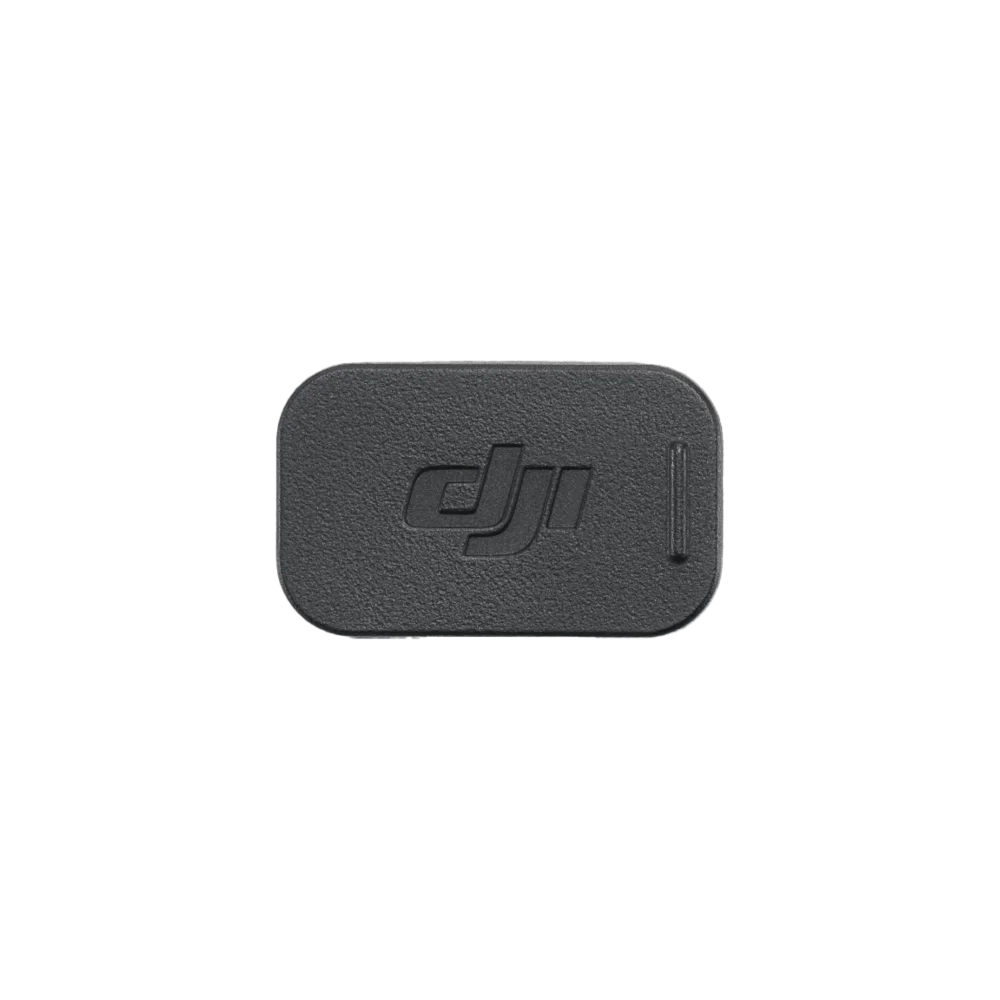
The detachable clip allows different transmitter orientations, helping keep the microphone facing the sound source on a collar, lapel or hat brim. It is supplied in addition to the separate magnet.
1 × compact carrying pouch
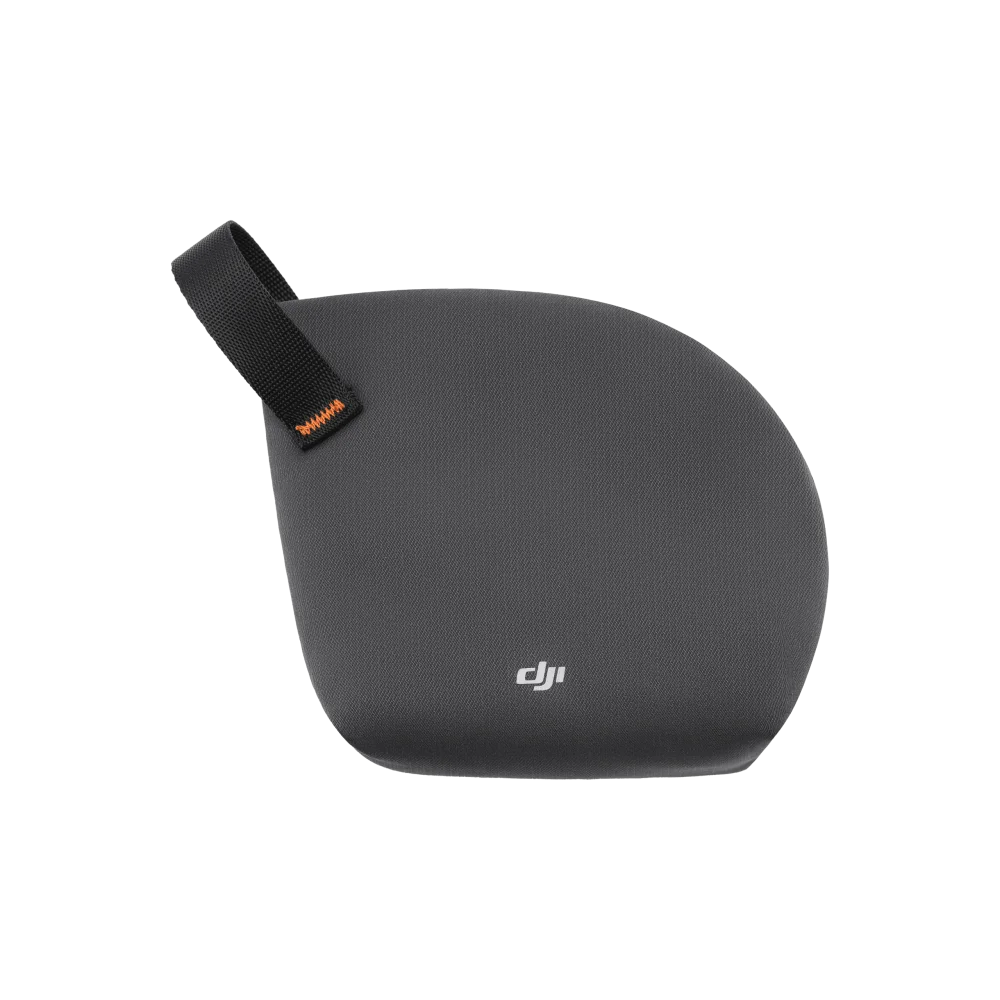
The compact pouch stores the one-transmitter kit and its small accessories. It is a fabric carrying accessory rather than the rechargeable case supplied with the larger two-transmitter combo.
Technical specifications
System and audio
Package
Black 1 TX + 1 RX; no charging case
TX model
DMT03
RX model
DMR03
Pickup pattern
Omnidirectional
Sampling frequency
48 kHz
Internal recording depth
24-bit or 32-bit float
Frequency response, encoded
20 Hz–20 kHz;100 Hz–20 kHz with Low Cut
Frequency response, lossless
20 Hz–24 kHz;100 Hz–24 kHz with Low Cut
Microphone sensitivity
−36±1 dBV at 1 kHz, 94 dBSPL
Signal-to-noise ratio
72 dB
MaximumSPL
126 dBSPL at 1%THD;130 dBSPL at 10%THD
Equivalent noise
22 dBA
Voice-tone presets
Regular, Rich, Bright
Noise cancellation
Basic or Strong; selectable
Adaptive gain
Automatic or Dynamic; off by default
Low cut
100 Hz
Wireless lossless mode
Uncompressed 48 kHz/24-bit transmission
Recorder, radio and routing
Internal memory
32 GB; no external memory card
Files
WAV; original or original+processed dual-file
24-bit capacity
57.3 hours single /28.6 hours dual
32-bit float capacity
43.0 hours single /21.5 hours dual
File segmentation
30-minute files
Export
MagneticUSB cable to computer, or DJI Mimo file download
Radio
Automatic 2.4 GHz/5 GHz frequency hopping; regional bands vary
Bluetooth
5.4
Manufacturer maximum range
400 m, Lossless Audio off, open interference-free test
High-interference reference
80 m in DJI laboratory test
Expanded network
Up to 4Mic 3 transmitters and 8Mic 3 receivers
Routing
Mono, Stereo, Quadraphonic
Quadraphonic output
SupportedUSB computer/software or compatibleSonyMI-shoe camera with optional adapter
Analog output inQuadraphonic
Stereo;TX1+TX3 left, TX2+TX4 right
RX monitoring
Separate 3.5 mm headphone socket
Monitor output
Up to 20 mW at 1 kHz, 32 ohms
Camera connection
3.5 mmTRS analog output; optional digital camera adapter
Phone connection
IncludedUSB-C adapter; Lightning adapter optional
Timecode
Frame rates
23.98, 24, 25, 29.97, 29.97DF, 30, 50, 60 fps
Manufacturer drift specification
0.5ppm;less than 1 frame over 24 hours under continuously powered test conditions
Input
LTC through 3.5 mmTRS;maximum+6 dBu
Output
LTC or Audio-TC through 3.5 mmTRS/USB-C as supported
Output level
0.5Vp-p
Modes
Internal-only, N/A;external input, L-IN;LTC output, L-OUT;Audio-TC, A-OUT
TX synchronization
Receives timecode from Mic 3receiver; no independent externalTCinput
Battery and dimensions
TX battery
137 mAh Li-ion;3.87 V;0.531 Wh
TX rated runtime
8 hours;noise cancellation/internal recording off in test
RX battery
275 mAh Li-ion;3.87 V;1.065 Wh
RX rated runtime
10 hours;noise cancellation/internal recording off in test
Charging input
Maximum 5 V per unit
Full charge
Approximately 50 minutes per unit, manufacturer test
TX fast charge
Up to 80% in 18 minutes with magnetic charging cable, controlled test
TX dimensions
28.77×28.34×16.35 mm with magnet
TX weight
16 g with magnet
RX dimensions
53.85×28.69×22.00 mm
RX weight
25.1 g
Operating temperature
−10°C to 45°C
Charging temperature
5°C to 45°C
Retail barcode
6937224116405
Frequently asked questions
Does this package include a charging case?
No. This is the 1 TX + 1 RX package. It includes the transmitter magnetic charging cable and a compact pouch; the rechargeable charging case is a separate purchase.
Are there two microphones because two windscreens are listed?
No. The box includes one transmitter and two windscreen color choices: one black/gray and one black. Only one transmitter and one receiver are supplied.
Can I connect an external lavalier to the transmitter?
No external 3.5 mm microphone input is provided on the Mic 3transmitter. It records with its integrated omnidirectional microphone; the receiver’s 3.5 mm sockets serve monitoring, output and timecode workflows.
Will 32-bit float protect the recording inside my camera?
The 32-bit float option is for the transmitter’s internalWAV files. A connected camera records according to its own format and input settings. Keep camera levels appropriate and retain the separate local recording when needed.
Can I pair Mic 2 or Mic Mini transmitters with this receiver?
No. Mic 3 transmitters and receivers do not cross-pair with DJI Mic, Mic 2 or Mic Mini units. Direct OsmoAudio camera compatibility is a separate workflow with its own device-specific list.
Does four-channel mode work through the 3.5 mm cable?
No. The analog 3.5 mm output remains stereo. Four independent channels require compatible computer software overUSB or the optional MicSeries Camera Adapter with a supported SonyMI-shoe camera.
Can it record to my phone without the receiver?
A compatible phone can record from one transmitter overBluetooth, subject to app and operating-system support. Use the includedUSB-C receiver adapter when that is the appropriate workflow. Special supported integrations and current compatibility lists may provide additional options.
Can I listen on headphones while a camera is connected?
Yes. The receiver provides separate monitor and camera-output sockets. Select the monitored source and a comfortable level in the receiver settings.
How much battery life should I expect without the optional case?
DJI rates the transmitter at 8 hours and the receiver at 10 hours with noise cancellation and internal recording disabled in its test setup. Actual runtime varies;28-hour case-assisted figures do not describe the contents of this package.
Find the right audio setup
Browse microphones at AX Store Kuwait for compatible recording setups and accessories.
Read the official product information and manufacturer user guide for setup and compatibility details.
THE DETAILS
Technical specifications
System and audio
Black 1 TX + 1 RX; no charging case
DMT03
DMR03
Omnidirectional
48 kHz
24-bit or 32-bit float
20 Hz–20 kHz;100 Hz–20 kHz with Low Cut
20 Hz–24 kHz;100 Hz–24 kHz with Low Cut
−36±1 dBV at 1 kHz, 94 dBSPL
72 dB
126 dBSPL at 1%THD;130 dBSPL at 10%THD
22 dBA
Regular, Rich, Bright
Basic or Strong; selectable
Automatic or Dynamic; off by default
100 Hz
Uncompressed 48 kHz/24-bit transmission
Recorder, radio and routing
32 GB; no external memory card
WAV; original or original+processed dual-file
57.3 hours single /28.6 hours dual
43.0 hours single /21.5 hours dual
30-minute files
MagneticUSB cable to computer, or DJI Mimo file download
Automatic 2.4 GHz/5 GHz frequency hopping; regional bands vary
5.4
400 m, Lossless Audio off, open interference-free test
80 m in DJI laboratory test
Up to 4Mic 3 transmitters and 8Mic 3 receivers
Mono, Stereo, Quadraphonic
SupportedUSB computer/software or compatibleSonyMI-shoe camera with optional adapter
Stereo;TX1+TX3 left, TX2+TX4 right
Separate 3.5 mm headphone socket
Up to 20 mW at 1 kHz, 32 ohms
3.5 mmTRS analog output; optional digital camera adapter
IncludedUSB-C adapter; Lightning adapter optional
Timecode
23.98, 24, 25, 29.97, 29.97DF, 30, 50, 60 fps
0.5ppm;less than 1 frame over 24 hours under continuously powered test conditions
LTC through 3.5 mmTRS;maximum+6 dBu
LTC or Audio-TC through 3.5 mmTRS/USB-C as supported
0.5Vp-p
Internal-only, N/A;external input, L-IN;LTC output, L-OUT;Audio-TC, A-OUT
Receives timecode from Mic 3receiver; no independent externalTCinput
Battery and dimensions
137 mAh Li-ion;3.87 V;0.531 Wh
8 hours;noise cancellation/internal recording off in test
275 mAh Li-ion;3.87 V;1.065 Wh
10 hours;noise cancellation/internal recording off in test
Maximum 5 V per unit
Approximately 50 minutes per unit, manufacturer test
Up to 80% in 18 minutes with magnetic charging cable, controlled test
28.77×28.34×16.35 mm with magnet
16 g with magnet
53.85×28.69×22.00 mm
25.1 g
−10°C to 45°C
5°C to 45°C
6937224116405
COMPLETE YOUR SETUP