COMPARISON
Audio
DT 990 PRO vs DT 990 PRO X: 80, 250 or 48 Ohm?
Compare DT 990 PRO 80 and 250 ohm with DT 990 PRO X 48 ohm: open-back use, detachable cables, amplification and AX audio bundles.
AA
Ali Aljaber

Quick answer
The DT 990 PRO and DT 990 PRO X are open-back wired headphones for listening, monitoring and gaming in a suitable room. The PRO X adds a different driver platform and a detachable cable; it is not simply the original DT 990 PRO with a lower impedance number. Choose by the source you will connect, the cable arrangement you want and whether an open-back design fits your space.
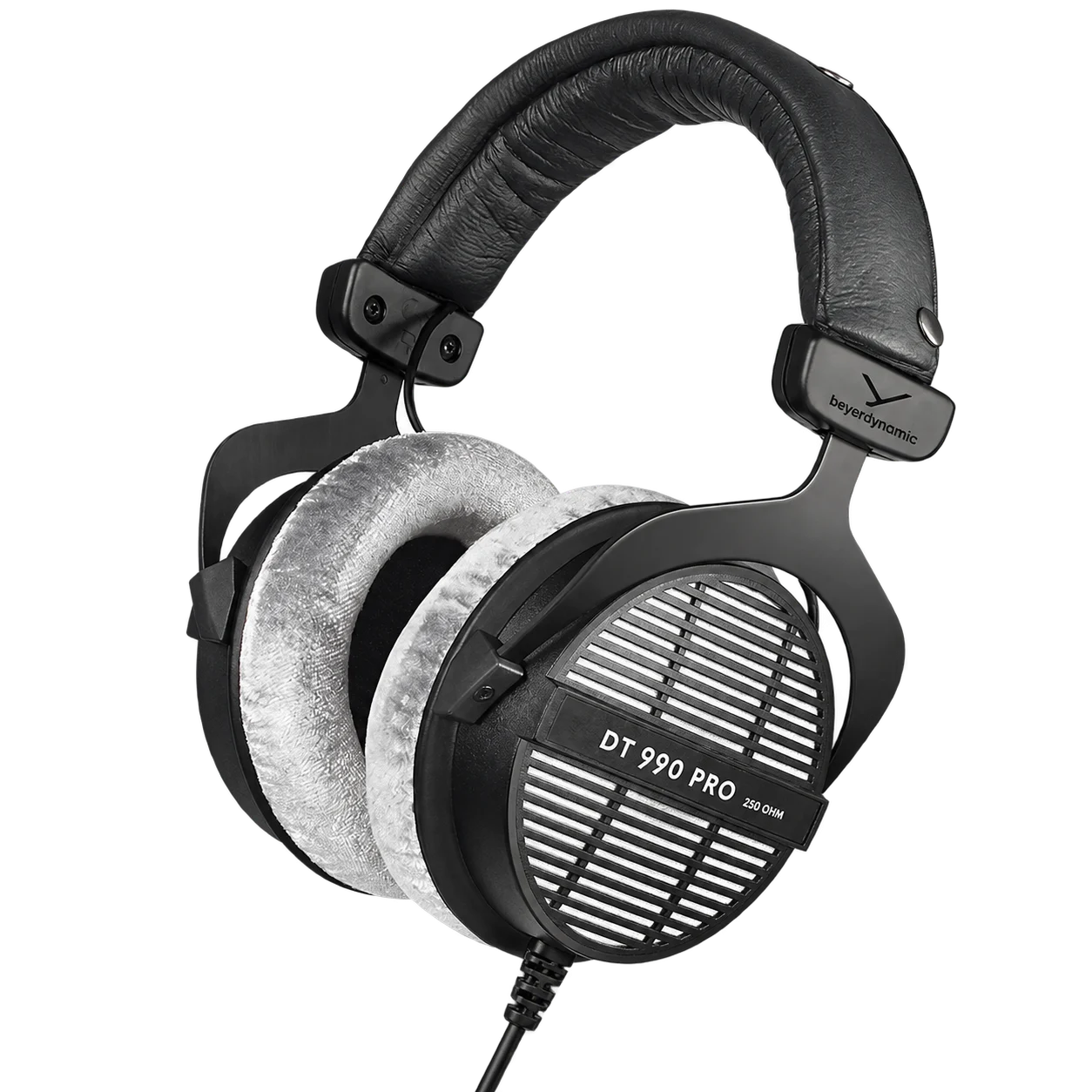
At AX Store, the relevant versions are the DT 990 PRO Black Edition 80 ohm, DT 990 PRO 250 ohm and DT 990 PRO X 48 ohm. Check the full version name when ordering. The original PRO and newer PRO X should not be treated as interchangeable descriptions.
What changes between the versions?
| Feature | DT 990 PRO 80 ohm Black Edition | DT 990 PRO 250 ohm | DT 990 PRO X |
|---|---|---|---|
| Acoustic design | Open-back | Open-back | Open-back |
| Nominal impedance | 80 ohm | 250 ohm | 48 ohm |
| Cable | Fixed, 3 m straight | Fixed, coiled | Detachable, 3 m mini-XLR headphone connection |
| Driver platform | Classic DT 990 PRO | Classic DT 990 PRO | STELLAR.45 |
| Headphone plug | 3.5 mm with 6.35 mm adapter | 3.5 mm with 6.35 mm adapter | 3.5 mm with 6.35 mm adapter |
| Built-in microphone | No | No | No |
Open-back is the first decision
All three let outside sound reach the listener and allow some headphone audio to escape. That can be suitable at a quiet private desk, but it is a poor match for someone expecting isolation from conversations or loud fans. If you share the room, the person beside you may hear what you are playing.
For microphone work, leakage also depends on listening level, microphone position and room layout. Open-back headphones can work for a streamer, but they are not automatically the best monitoring choice when recording a quiet voice close to a sensitive microphone. Compare our closed-back DT 770 and DT 700 comparison if keeping monitor sound contained is the priority.
48, 80 and 250 ohm: what that actually changes
Impedance is part of matching a headphone to an amplifier. It is not a ranking of sound quality. Required output also depends on headphone sensitivity, the source’s available voltage and current, the recording level and the volume you need. A phone, controller and desktop interface can have very different headphone outputs even when all accept a 3.5 mm plug.
The 250 ohm version deserves particular attention when the source has limited output voltage. A suitable desktop headphone amplifier can provide more usable headroom than a weak integrated output. The 48 ohm PRO X is designed for broad source compatibility, but that does not mean every source will deliver the same result. Our impedance and sensitivity guide explains why both specifications matter.
Why the detachable cable matters
The DT 990 PRO X uses a removable mini-XLR cable at the earcup. This makes replacing a damaged external cable more straightforward than with a fixed-cable headphone. It is a practical advantage for a busy desk where a cable may be trapped by a chair or pulled when moving equipment.
The classic 250 ohm model’s coiled cable and Black Edition 80 ohm model’s straight cable behave differently on a desk. A coiled cable can keep excess length gathered, while a straight cable is easier to route along a fixed path. Consider where your amplifier sits and how much cable can hang without pulling on the headphones.
Compare the sound as complete headphones
The PRO X uses STELLAR.45 drivers and a revised physical design. Do not assume a simple adapter or amplifier will make the classic model identical to it. Equally, do not infer that the higher impedance classic version must be more detailed because its number is larger. Fit, pad condition, volume matching and personal preference influence any listening comparison.
For FPS games, clear positional information depends on the game’s audio mix, your hearing and the listening setup. These headphones do not contain a microphone or an internal surround processor. Begin with the game’s appropriate headphone mode, avoid stacking several spatial processing systems and keep a consistent listening level. Read our DT 990 gaming and streaming guide for the broader workflow.
Choose a source or bundle that fits the headphone
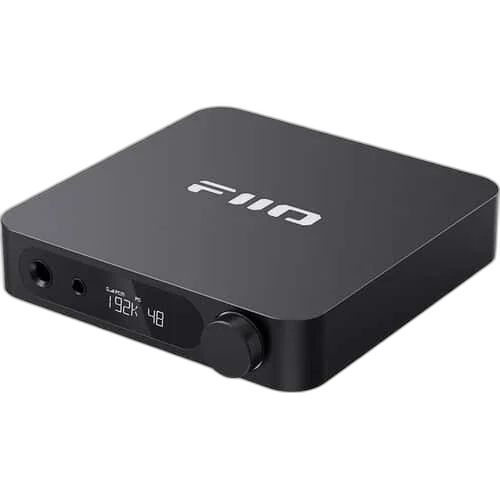
For a desktop listening setup, compare FiiO K11 with the alternatives in our K11, K11 R2R and K7 comparison. The AX Audio Essentials Bundle combines the classic 250 ohm headphone with K11. The AX Gaming Audio G6 Bundle pairs it with Sound BlasterX G6 for a different control and software workflow.
Both use the headphone’s normal single-ended connection. A 3.5-to-6.35 mm adapter changes plug size; it does not create balanced wiring. Do not connect a common-ground headphone to a balanced output using a passive plug adapter. The cable connector at the earcup also does not by itself prove that a headphone supports a balanced signal path.
Frequently asked questions
Is DT 990 PRO X closed-back?
No. DT 990 PRO X is open-back. DT 770 PRO X is a different, closed-back model.
Does 250 ohm mean better sound?
No. Impedance is an electrical matching specification. Judge the whole headphone and the source that will drive it.
Which version has a detachable cable?
The DT 990 PRO X in this comparison has a detachable mini-XLR cable. The linked classic DT 990 PRO versions use fixed cables.
Can I use these headphones for voice chat?
They play audio but have no built-in microphone. Add a separate microphone or choose a bundle that includes one; the listening-only bundles do not.
Manufacturer references
Product configurations checked against AX Store listings on 14 November 2026. Use the linked product pages for current prices, stock, selected colours and included accessories.
Explore the current Headphones selection at AX Store Kuwait.
AA
KEEP READING
All Comparisons guides


Choose the right equipment for your setup
Explore the exact models, current configurations and availability at AX Store Kuwait.