OUT OF STOCK
12.950 KWD
or 4 × 3.238 KWD with


Same-day delivery · Official warranty · Taly & Deema
Category
Dynamic and condenser XLR microphones for podcasting, streaming, vocals and broadcast from Shure, RODE, Electro-Voice and more.
12.950 KWD
or 4 × 3.238 KWD with
58.000 KWD
or 4 × 14.500 KWD with
WITH CARD
84.000 KWD
or 4 × 21.000 KWD with
WITH CARD
131.500 KWD
or 4 × 32.875 KWD with
WITH CARD
78.000 KWD
or 4 × 19.500 KWD with
104.000 KWD
or 4 × 26.000 KWD with
WITH CARD
49.900 KWD
or 4 × 12.475 KWD with
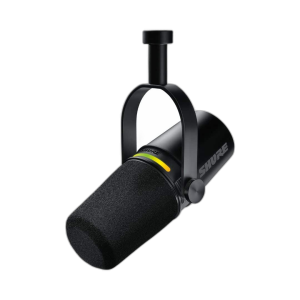
104.000 KWD
or 4 × 26.000 KWD with
WITH CARD
93.500 KWD
or 4 × 23.375 KWD with
WITH CARD
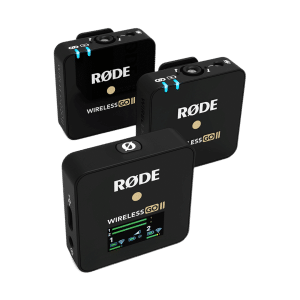
89.000 KWD
or 4 × 22.250 KWD with
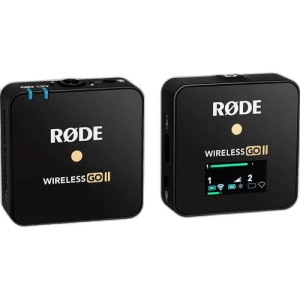
85.000 KWD
or 4 × 21.250 KWD with
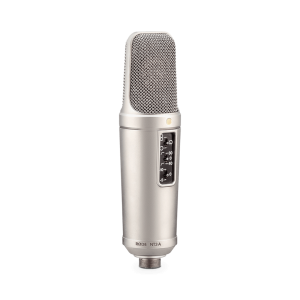
119.900 KWD
or 4 × 29.975 KWD with
Showing 12 of 48 products
STUDIO MICROPHONES AT AX
Shure SM7B and SM7dB, RODE PodMic and NT1, Electro-Voice RE20, Audio-Technica, sE Electronics and Sennheiser: XLR microphones for podcasts, streams, vocals and broadcast.
Dynamic mics like the SM7dB, PodMic and RE20 reject room noise and suit voice; condensers like the NT1 capture more detail and need a quieter room plus 48V phantom power. Pair with an interface that has enough gain.
Dynamic · Condenser
broadcast and studio capsules
SM7dB · PodMic
RE20, NT1 and more
XLR
phantom power and preamps
MICROPHONE FAQ
Straight answers to the questions we hear most about microphones.
For podcasts, streaming and voice in a normal room, choose a dynamic mic like the Shure SM7dB, Shure SM7B or RODE PodMic: it picks up your voice and rejects most of the room. Choose a condenser like the RODE NT1 5th Gen or Audio-Technica AT2020 for singing and voice-over in a quiet, treated room. It captures more detail, but also more background noise, and needs 48V phantom power.
USB plugs straight into your PC or Mac and is the simplest option for gaming, calls and first streams. XLR connects through an audio interface or mixer and gives you more control and a clear upgrade path. Hybrid mics like the RODE PodMic USB and Shure MV7+ do both: start on USB-C today and move to XLR later.
Yes. An XLR microphone needs an audio interface or mixer, such as a Focusrite Scarlett, RODECaster or GoXLR, to connect to your computer and to give it enough gain (plus phantom power for condensers). If you want a single box, the Shure MV7i has the interface built into the microphone.
Usually, yes. The Shure SM7B has a low output and needs a lot of clean gain, so most entry-level interfaces work better with an inline preamp like a Cloudlifter. The Shure SM7dB has that preamp built in (+18 or +28 dB, powered by your interface's 48V phantom power), so it works with a standard interface on its own.
A dynamic mic on a boom arm, close to your mouth, keeps keyboard and fan noise out of the stream. The RODE PodMic USB and Shure MV7+ are the easy USB picks, the SteelSeries Alias Pro comes with its own stream mixer, and the Shure SM7dB is the step up to broadcast sound.
A boom arm or desk stand to keep the mic close to your mouth, a pop filter or windscreen to soften plosives, and an XLR cable if your setup doesn't include one. You'll find them under Microphone Stands and Mounts and Microphone Accessories. XLR mics also need an audio interface or mixer.
Added to cart
Subscribed
We'll email you as soon as it's back in stock.
Saved to wishlist