sE Electronics
sE Electronics DM1 Dynamite 1-Channel Active Inline Preamp
Give a dynamic or passive ribbon microphone an extra 28 dB of gain before your interface. The compact DM1 DYNAMITE fits into an XLR signal path and runs on 48 V phantom power.
Regular price
31.500 KWD
or 4 payments of 7.875 KWD with
Pay with card & save


30.000 KWD
Save 1.500 KWD
Overview
SE ELECTRONICS DM1 DYNAMITE 1-CHANNEL ACTIVE INLINE PREAMP
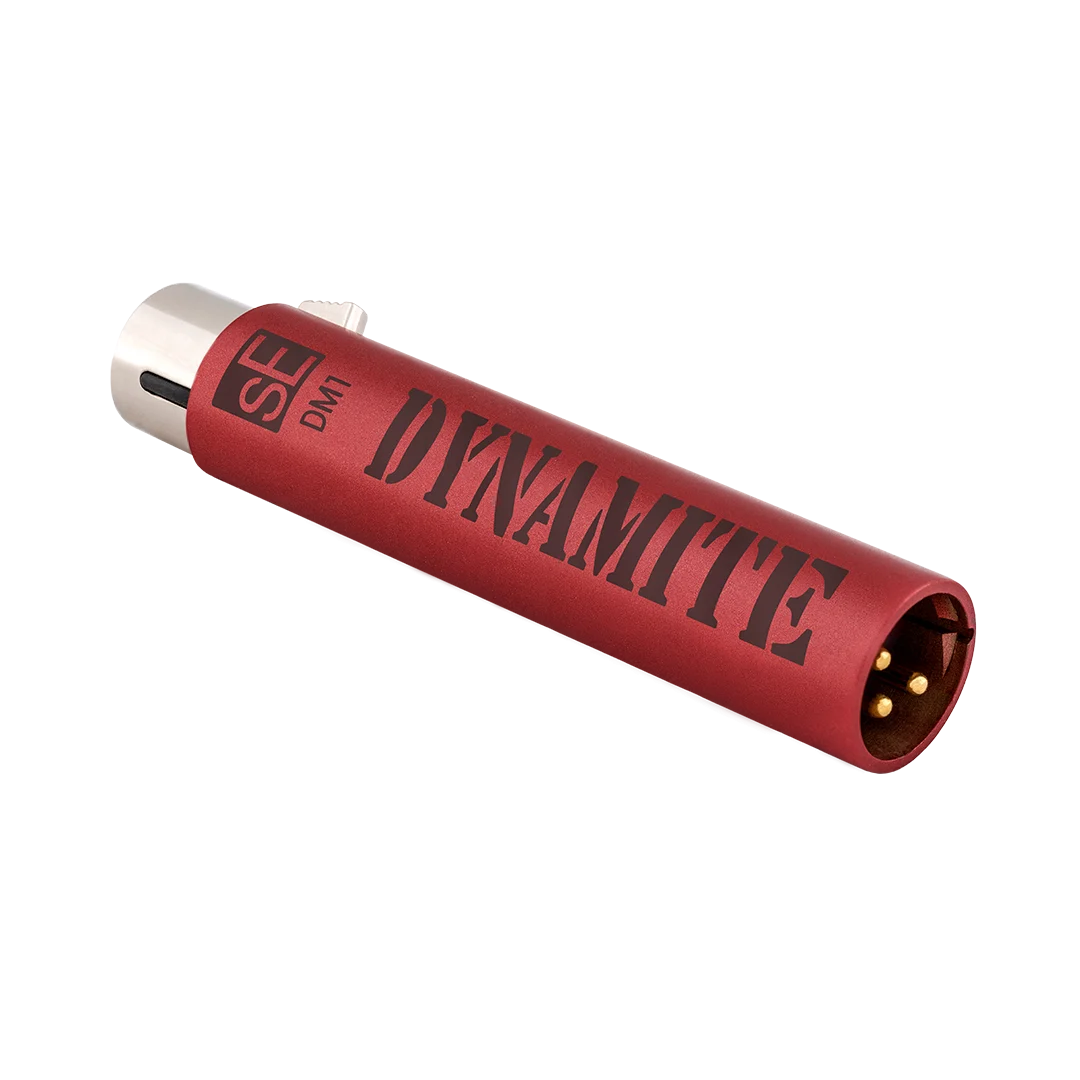
sE Electronics DM1 DYNAMITE
sE Electronics DM1 DYNAMITE: Give a dynamic or passive ribbon microphone an extra 28 dB of gain before your interface. The compact DM1 DYNAMITE fits into an XLR signal path and runs on 48 V phantom power. Explore this model at AX Store in Kuwait.
28 dB
Fixed Inline Gain
Dynamic / Passive Ribbon
Intended Microphones
XLR
Signal Path
48 V P48
Preamp Power Required
Gain where you need it
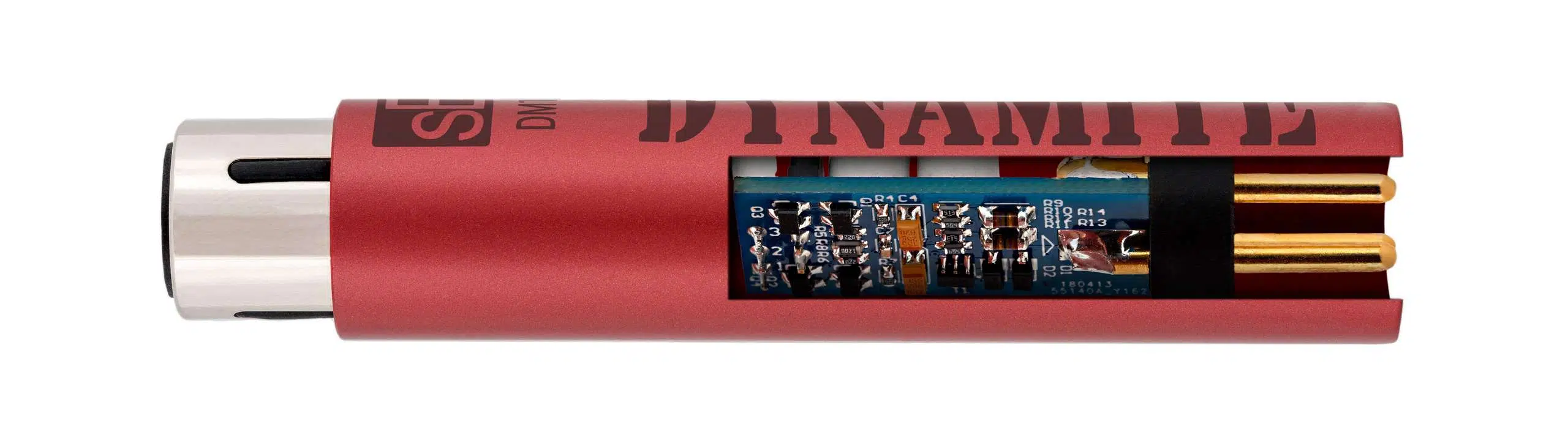
A Class A circuit with selected FETs and a dedicated buffer provides a fixed gain boost for low-output microphones. Match the actual signal connection and the intended recording or listening setup, then check the relevant device controls before starting the session.
Check your microphone connection
Connect to a microphone preamp or interface supplying P48 phantom power. DM1 is intended for dynamic and passive ribbon microphones, not condenser microphones or active ribbon designs.
Keep the Exact Model and Signal Path Clear
DM1 provides fixed 28 dB gain for dynamic or passive ribbon microphones. It requires P48 from the downstream interface or preamp and is not intended for phantom-powered condenser or active ribbon microphones.
Choose the Connected Equipment for Its Actual Role
Match the product’s stated input and output connections to the source and destination. Keep microphone preamps, digital converters and headphone amplifiers in their appropriate roles, checking cable wiring and power requirements before completing the recording or listening chain.
Plan Power and Gain for the Complete Setup
Use the model’s stated power arrangement and supported control settings for the connected devices. Choose sufficient recording headroom or a comfortable listening level, checking the source and destination rather than treating a connector shape as proof of every function.
Check the Session Before Recording or Listening
Confirm the selected device, input route and output level before a longer session. Make a short test after changing the source, cable or recording mode, and use the exact model’s supported software and power arrangement where required.
Match the Source and Headphone Output
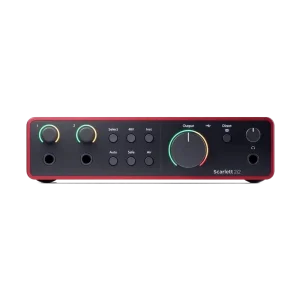
Check the actual digital or analogue input, headphone connector and supported operating mode. Choose the source, cable and headphone together; a headphone amplifier and a microphone recording interface have different jobs. Compare related options such as Cloud Microphones Cloudlifter CL-1 Mic Activator with +25dB Gain or JDS LABS ATOM DAC 2 USB-C DAC, keeping the exact model and configuration in the decision. For the wider setup, explore beyerdynamic DT 1770 PRO MKII Closed-Back Studio Headphones 30 Ohm and check the connection, size or mounting requirements before pairing accessories. Browse the sE Electronics range at AX for more choices.
sE Electronics DM1 DYNAMITE Setup Choices
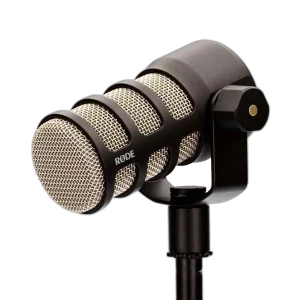
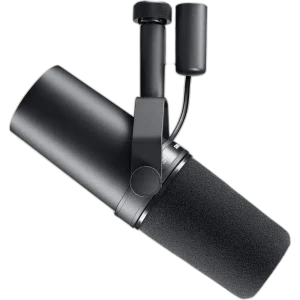
Check the actual digital or analogue input, headphone connector and supported operating mode. Choose the source, cable and headphone together; a headphone amplifier and a microphone recording interface have different jobs. Explore SHURE MV7X Dynamic Broadcast Microphone (XLR Only), Shure SM7B Dynamic Microphone, XLR, RØDE PodMic Dynamic Podcasting Microphone, XLR.
Frequently Asked Questions
Which signal path and version should I plan for?
DM1 provides fixed 28 dB gain for dynamic or passive ribbon microphones. It requires P48 from the downstream interface or preamp and is not intended for phantom-powered condenser or active ribbon microphones.
Does it replace the audio interface?
No. It is an analogue inline gain stage. The downstream microphone preamp or interface still supplies the required power, input gain and any recording conversion.
Should I use it with a phantom-powered condenser?
This product is intended for passive dynamic or passive ribbon microphones. Choose a direct phantom-power path appropriate to a condenser microphone rather than adding this booster to that setup.
Does every dynamic microphone need one?
Use an inline booster when the microphone level and downstream preamp gain or noise make it useful. Set the complete chain for sufficient headroom rather than assuming extra fixed gain is always required.
Build Your Setup with AX Store
Explore computers, displays and accessories for your workspace at AX Store. For help choosing the right model or checking an accessory, contact AX Store.
THE DETAILS
Technical specifications
Technical details
Inline preamp for dynamic and passive ribbon microphones
28 dB
10 Hz–120 kHz (−0.3 dB)
10 kΩ
135 Ω
>1 kΩ
8.3 dBV / 2.6 V at 0.5% THD
9 µV, A-weighted
48 V phantom power (P48, IEC 61938)
3 mA
3-pin male and female XLR
19 mm
96 mm
COMPLETE YOUR SETUP