AUDIO-TECHNICA
Same-day delivery · Official warranty · Taly & Deema
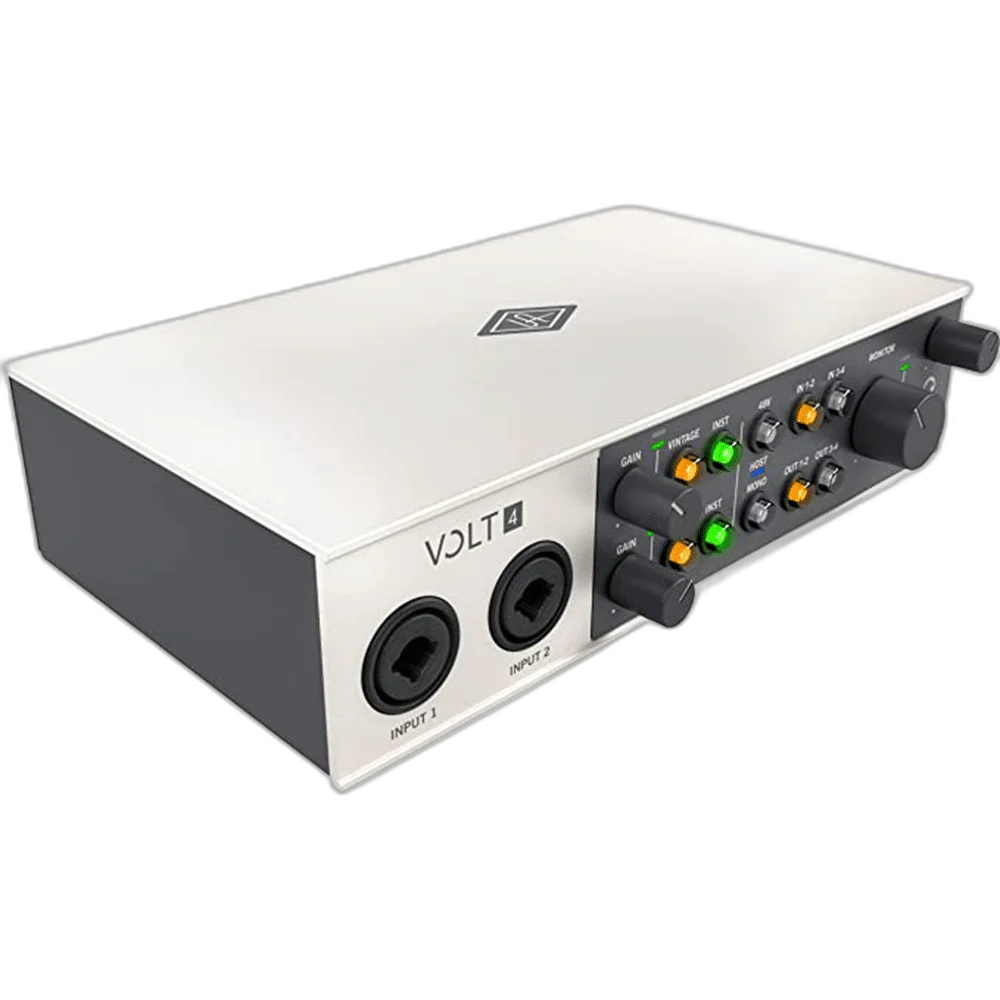
Universal Audio Volt 4 is a 4-in/4-out USB audio interface with 2 mic preamps, Vintage mode and 24-bit/192kHz conversion. Two extra line inputs and four line outputs give synths and external audio gear more routing options.
or 4 payments of 21.000 KWD with
Pay with card & save


UNIVERSAL AUDIO VOLT 4 USB AUDIO INTERFACE
Universal Audio Volt 4 is a 4-in/4-out USB audio interface with 2 mic preamps, Vintage mode and 24-bit/192kHz conversion. Two extra line inputs and four line outputs give synths and external audio gear more routing options.
Analogue Recording Channels
Microphone Preamps
Maximum Recording Format
Interface USB Connector
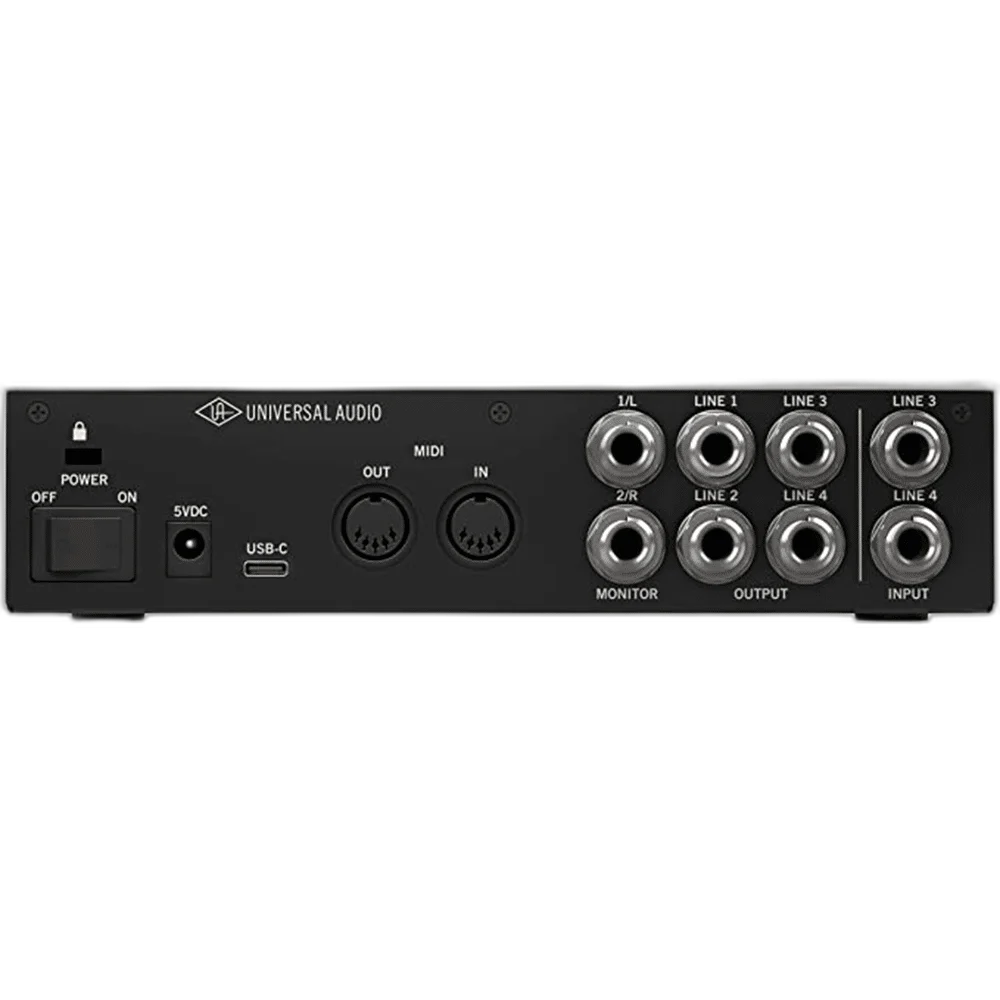
Connect two microphones or instruments to the front combo inputs and add stereo line-level equipment through rear inputs 3–4. Four software playback channels and dedicated monitor outputs provide flexible routing.
Vintage mode uses an analog circuit inspired by UA's 610 preamp to add tonal colour to microphone, line or instrument signals. Switch Vintage mode off when you prefer the standard preamp response.
Direct monitoring routes the input to your headphones and monitors without the delay introduced by software buffers. Separate headphone and monitor level controls let you set listening levels, while MIDI input and output connect compatible controllers and instruments.
The USB-C connector carries USB 2.0 audio. Use a compatible Mac, Windows computer, iPad or iPhone; mobile adapters and external power may be required. Recording software and bundled software can have separate operating-system and account requirements.
Four analogue channels include two microphone preamps and two additional line inputs. The additional line connections are not two more XLR microphone preamps. Assign the live sources before recording and choose the appropriate microphone, instrument or line setting for the connection you use.
The power arrangement is USB bus power; external +5V DC input when required. Use the specified cable and adequate host or external power. Check a mobile setup separately, as a matching USB connector does not guarantee the connected device supplies the required current.
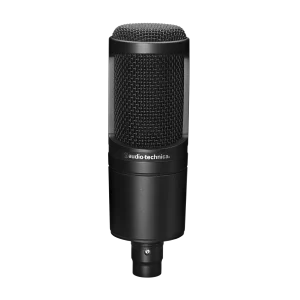
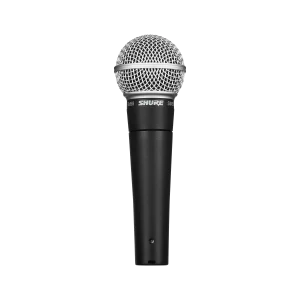
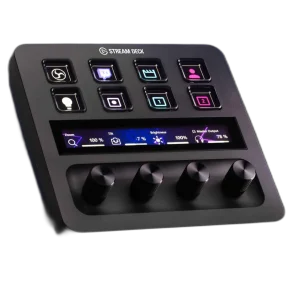
Explore Audio-Technica AT2020 XLR microphone, ATH-M40x closed-back headphones, Compare audio interfaces and mixers, Browse microphones, Explore studio headphones for your setup. Suggested products are sold separately. Check the number of analogue recording channels, microphone preamps, digital expansion, MIDI, mobile support and supplied accessories when comparing interfaces. An Audio-Technica AT2020 XLR microphone requires 48 V phantom power; a Shure SM58 is a separate dynamic microphone choice. Use the correct XLR cable and microphone input. Beyerdynamic and Audio-Technica headphones provide listening alternatives, and Elgato controls complement a supported computer workflow. iD14 MKII desktop and ADAT functions do not include iD4 MKII’s supported iOS use. Mobile setups may require an adapter and external power. Choose the actual cables and recording software for the selected host.
Four analogue channels include two microphone preamps and two additional line inputs. The additional line connections are not two more XLR microphone preamps.
USB-C is the stated connection family. USB bus power; external +5V DC input when required. Check the required cable, host power and current driver support.
Connect an analogue XLR microphone to the supported microphone input. Use switchable 48 V phantom power only for a microphone or active accessory that requires it. USB microphones connect to their supported host separately.
Up to 24-bit / 192 kHz. Select a compatible sample rate and bit depth in the application; the stated maximum does not replace input-gain setup or guarantee an unclippable recording.
Supported mobile operation needs the correct USB connection and adequate power. An appropriate adapter or powered hub may be required; desktop control software and bundled applications have separate system requirements.
No. This original-generation Volt model provides Vintage mode without the 76 Compressor found on the 176 and 276.
Explore computers, displays and accessories for your workspace at AX Store Kuwait. For help choosing the right model or checking an accessory, contact AX Store.
Compare Universal Audio Volt 176 USB Audio Interface. Match the exact model, connection and configuration to your setup.
THE DETAILS
Volt 4 (original generation)
4 inputs / 4 outputs
2 × XLR / 6.35 mm combo
2 × 6.35 mm TRS (inputs 3–4)
4 × 6.35 mm TRS
2 × 6.35 mm TRS (stereo pair)
1 × 6.35 mm stereo
USB 2.0 via USB-C connector
5-pin DIN input and output
24-bit
44.1 / 48 / 88.2 / 96 / 176.4 / 192 kHz
Analog preamp emulation inspired by UA 610
No
Yes
55 dB
Switchable +48 V
20 Hz–20 kHz, ±0.1 dB
112 dB
-103 dB (0.0007%)
-127 dBu
9 dBu
3 kΩ
1 MΩ
12.5 dBu
111 dB
15 kΩ
22 dBu
111 dB
20 Hz–20 kHz, ±0.05 dB
18 dBu
10 kΩ
113 dB
110 dB
15 dBu
100 Ω
20 Hz–20 kHz, ±0.1 dB
84 mW per channel
22 mW per channel
12 mW per channel
-100 dB (0.001%)
USB bus power; external +5V DC input when required
Centre positive
4.3 W typical / 6.2 W maximum
20.1 × 13.0 × 5.0 cm
0.7 kg
0–40°C
USB-A to USB-C; USB-A to DC barrel
COMPLETE YOUR SETUP
AUDIO-TECHNICA
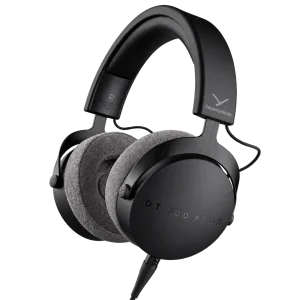
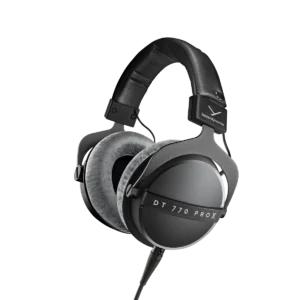
Beyerdynamic
Added to cart
Subscribed
We'll email you as soon as it's back in stock.
Saved to wishlist