RODE
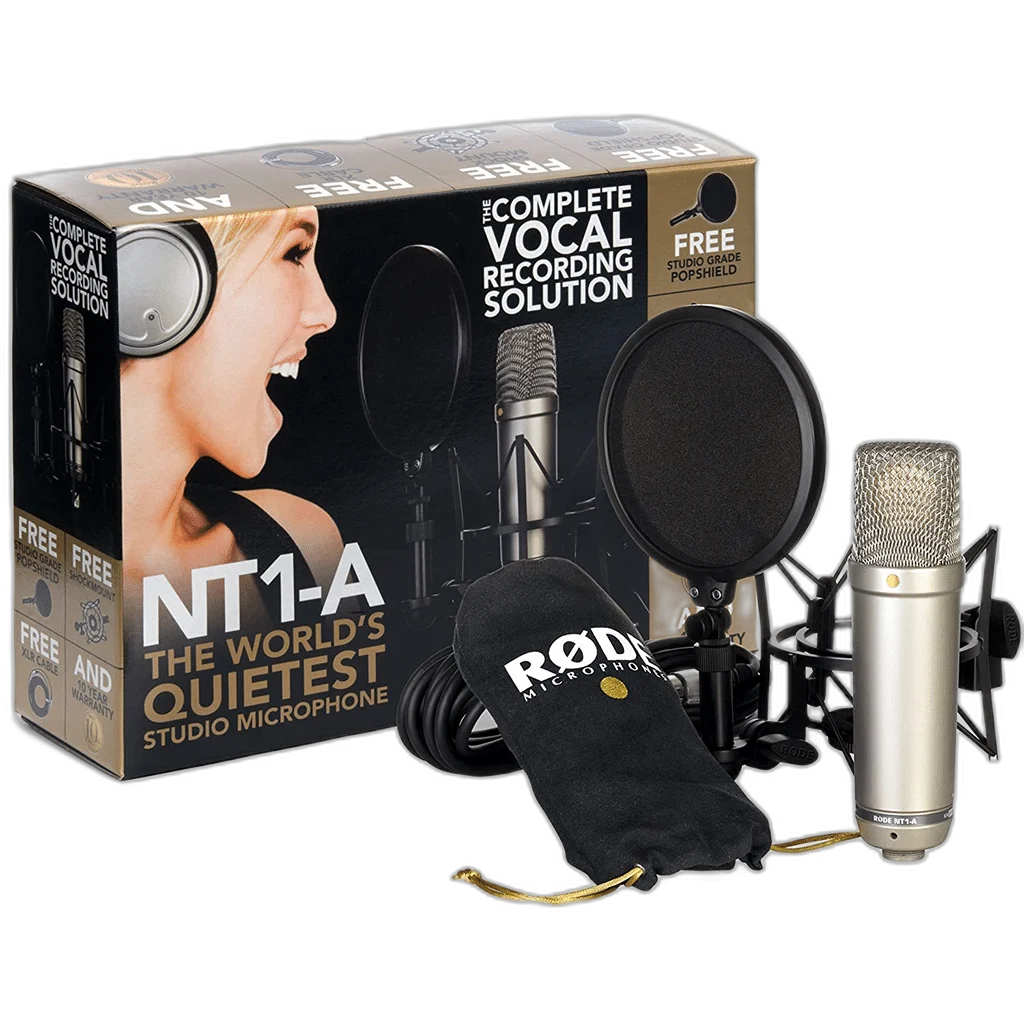
RØDE NT1-A Cardioid Microphone with Shockmount
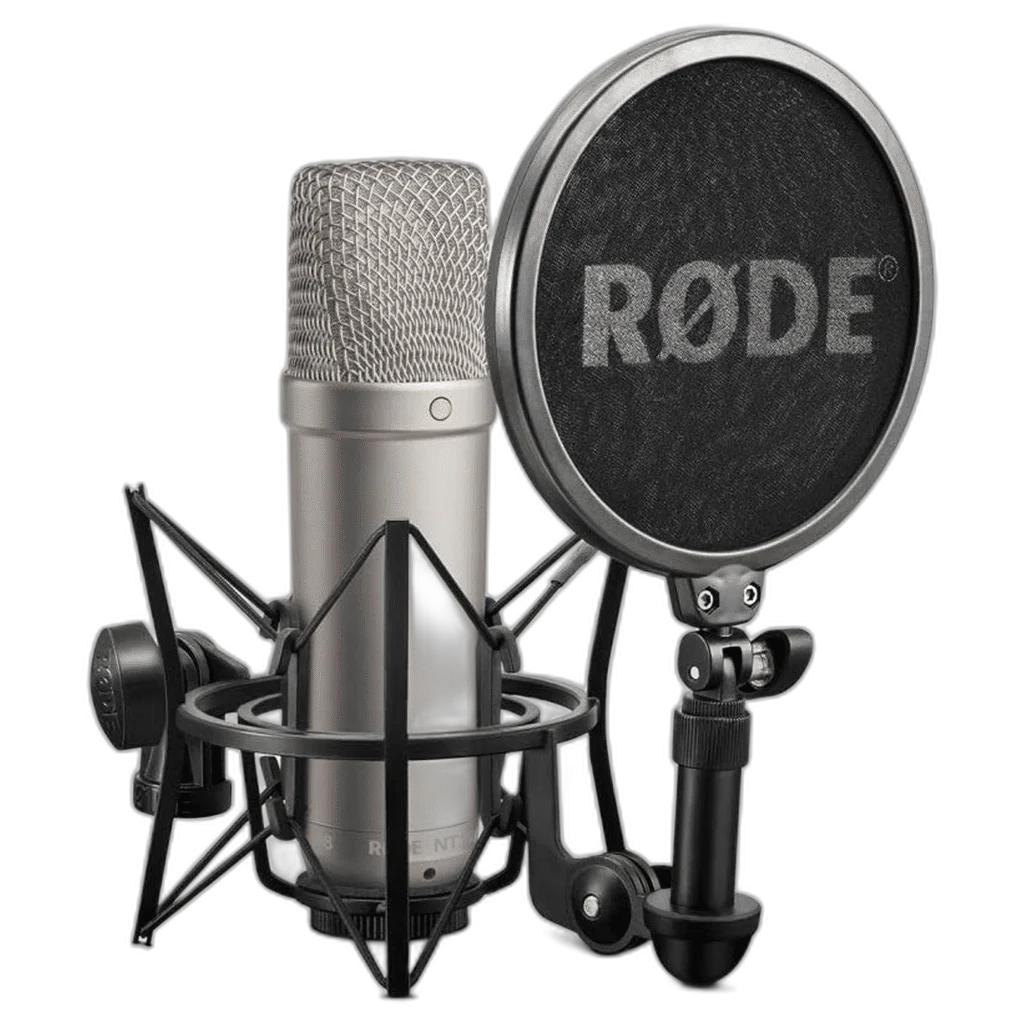
RØDE NT1-A. Record vocals and acoustic instruments with a large-diaphragm cardioid condenser. The RØDE NT1-A pairs a 1-inch capsule with low self-noise and an SM6 shock mount with pop filter.
Regular price
84.000 KWD
or 4 payments of 21.000 KWD with
Pay with card & save


79.950 KWD
Save 4.050 KWD
Overview
RØDE NT1-A
Rode NT1-A
Rode NT1-A: Record vocals and acoustic instruments with a large-diaphragm cardioid condenser. The RØDE NT1-A pairs a 1-inch capsule with low self-noise and an SM6 shock mount with pop filter. Explore this model at AX Store in Kuwait.
Condenser
Microphone capsule
Cardioid
Pickup pattern
XLR
Recording connection
Side-address
Recording orientation
Capture the performance
The cardioid pickup focuses on the source in front of the microphone. Its 20 Hz–20 kHz response supports voice and instrument recording. Aim the microphone toward the performer and listen to the actual recording while adjusting distance and angle for the voice, instrument and room.
Build a quiet recording chain
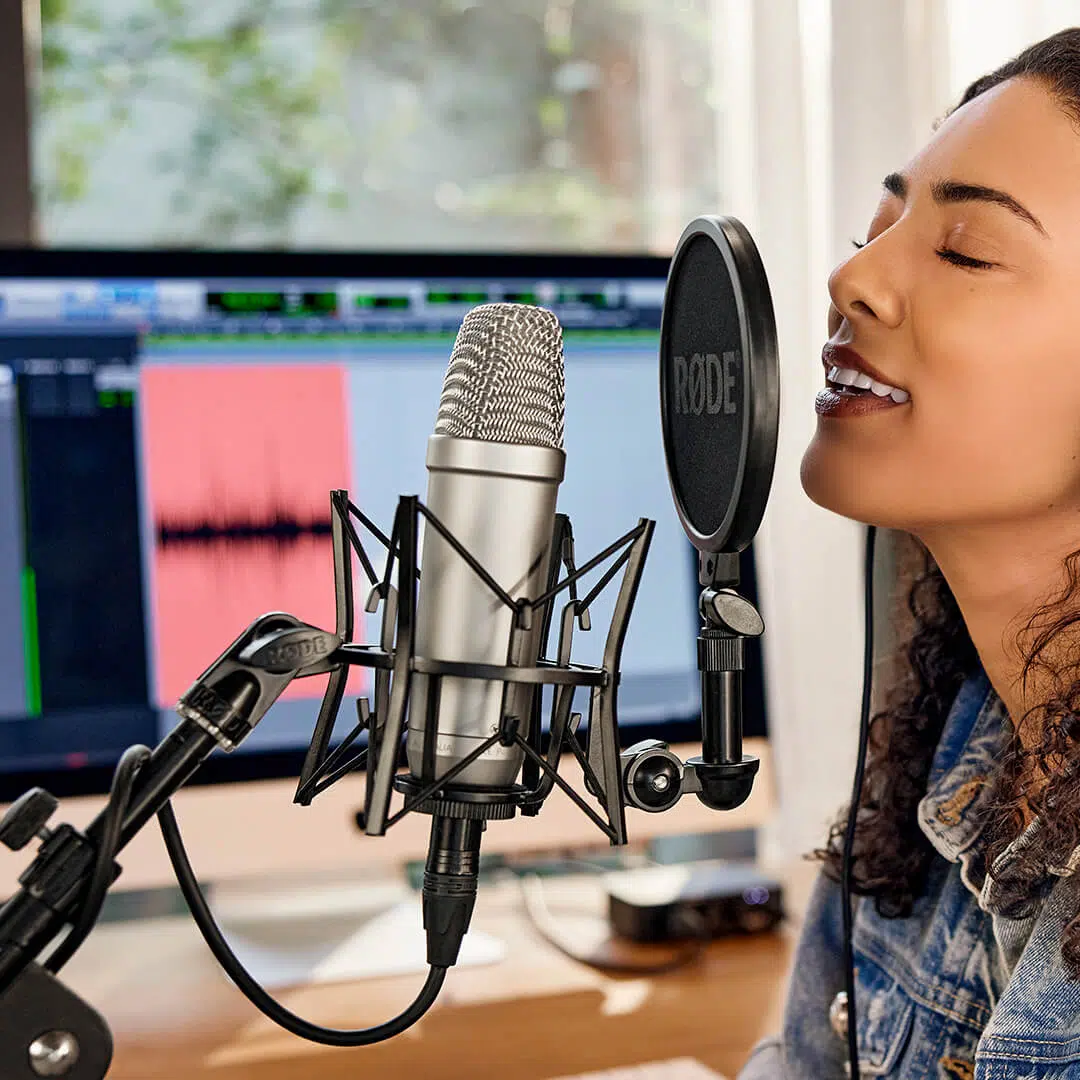
With 5 dBA self-noise, the NT1-A is suited to quieter sources as well as vocals. Use the supplied shock mount and pop filter to help manage vibration and plosives.
Build the Correct XLR Recording Path
Use an appropriate XLR microphone cable between the microphone and a suitable microphone preamp, interface or mixer. Set the gain while the performer delivers the loudest expected passage. The connected audio equipment handles digital conversion for computer recording; a headphone output does not replace a microphone input.
Choose NT1-A by Its Own Studio Specification
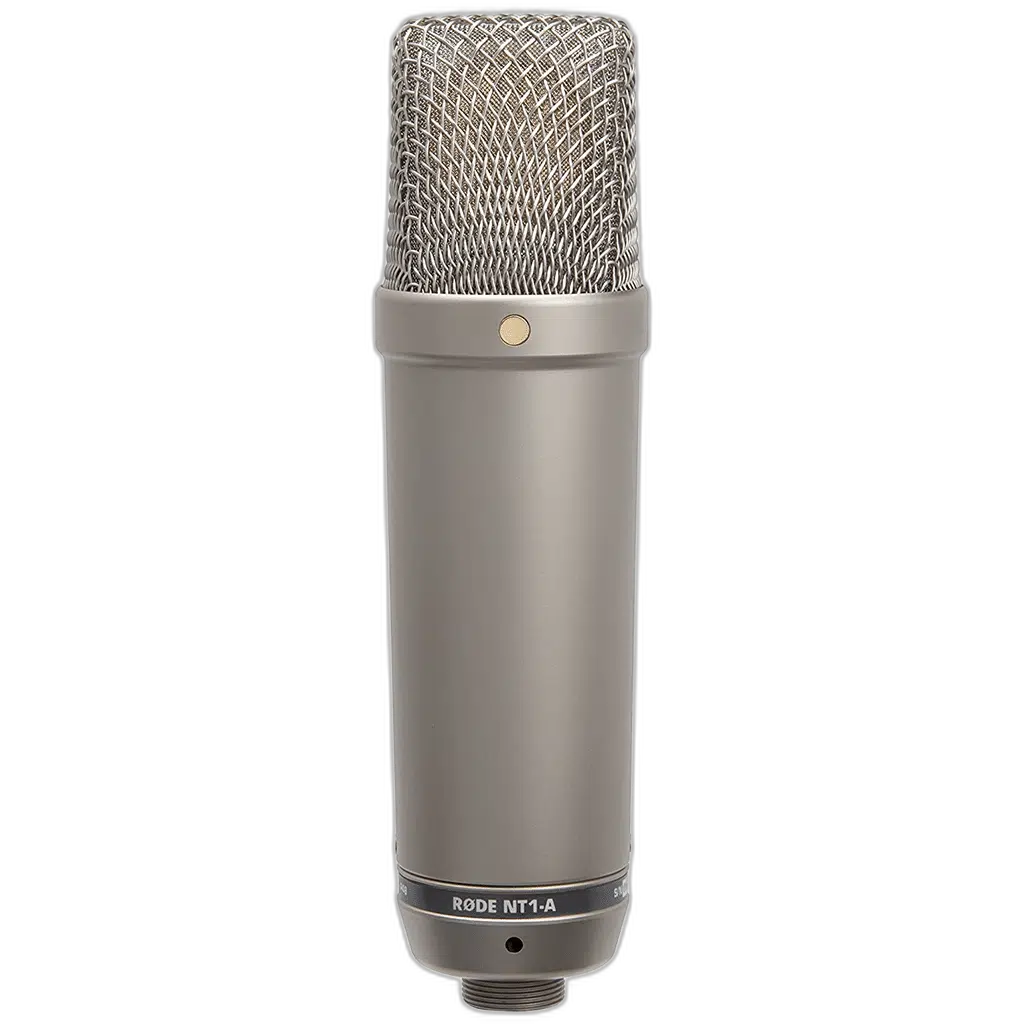
NT1-A is a side-address cardioid condenser with a 1-inch capsule and a specified 5 dBA self-noise. It uses an external phantom-powered XLR input. The original NT1 and NT1 5th Generation are different models; their USB functions and noise figures should not be transferred to NT1-A.
Aim the Sensitive Side at the Performance
This condenser uses a side-address recording position. Aim the sensitive front side toward the voice or instrument, then listen while adjusting distance and angle. Use the pop protection and support appropriate for the microphone, keeping the grille clear and the cable from pulling against the mount.
Supply the Required Microphone Power
The listed power arrangement is P24 or P48. Use the matching microphone input and connection for this model, then check the gain and recording level. Digital and analogue connections, where present, have their own power and control paths; select the setup around the session.
Plan the Recording Path for This Microphone
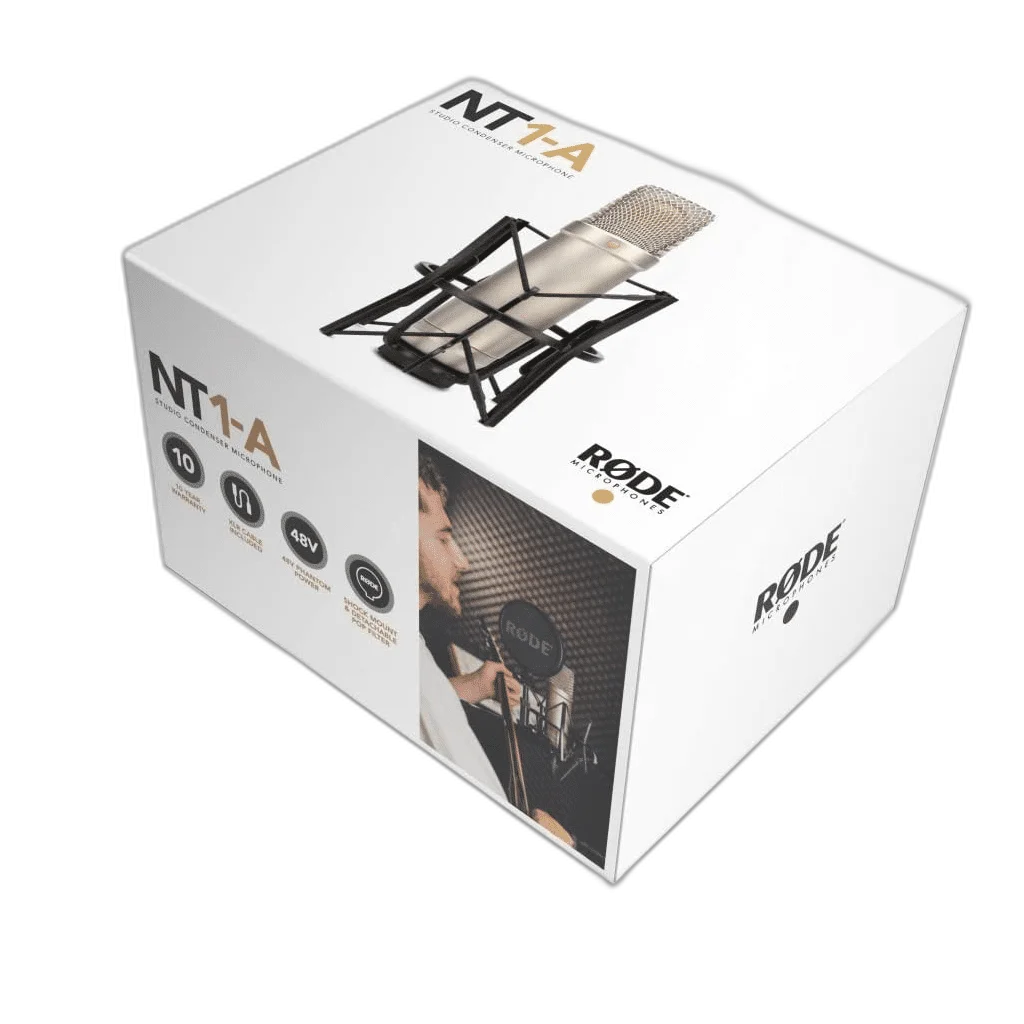
Use the output and power requirements of this exact microphone to choose the recording route. Match the microphone input, monitoring arrangement and mount before selecting an interface or mixer; accessories are separate choices. Compare related options such as Shure SM7B Dynamic Microphone, XLR or Shure SM7dB Dynamic Vocal Microphone with Built-in Preamp, keeping the exact model and configuration in the decision. For the wider setup, explore AUDIENT EVO 4 2-Channel Audio Interface and check the connection, size or mounting requirements before pairing accessories. Browse the RODE range at AX for more choices.
Rode NT1-A Setup Choices
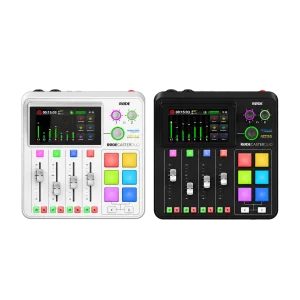
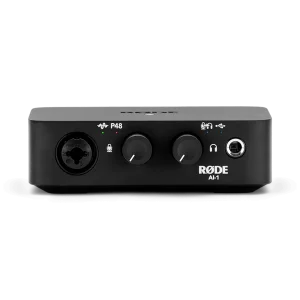
Use the output and power requirements of this exact microphone to choose the recording route. Match the microphone input, monitoring arrangement and mount before selecting an interface or mixer; accessories are separate choices. Explore RODE RODECaster Duo Integrated Audio Production Studio, TC-Helicon GoXLR Mini USB Mixer & Audio Interface – 4 Faders, MIDAS Preamp, RODE AI-1 USB-C Audio Interface.
Frequently Asked Questions
How does this exact microphone connect?
The microphone connects through its analogue XLR output to a suitable external microphone input.
Which pickup pattern does it offer?
The microphone uses a cardioid pickup pattern. Aim it toward the source and adjust the position while listening to the actual recording.
What recording equipment is required?
For XLR recording, use a suitable external microphone preamp, interface or mixer and the correct microphone cable.
Where should I address the microphone?
Use the front side of the grille for this side-address condenser. Keep the selected pattern and recording position in view.
What frequency range is specified?
20 Hz-20 kHz.
Are all recommended products required?
The recommendations are alternative recording and monitoring setups. Choose the supporting arm, headphone output and recording connection for the actual session rather than buying every listed interface or headphone model.
What power arrangement is specified?
P24 or P48. Use the connection and microphone input appropriate for this model.
Build Your Setup with AX Store
Explore computers, displays and accessories for your workspace at AX Store. For help choosing the right model or checking an accessory, contact AX Store.
Complete Your Setup
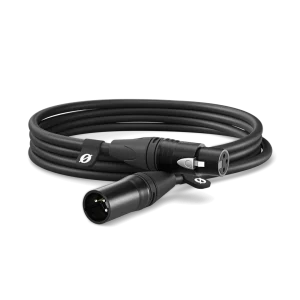
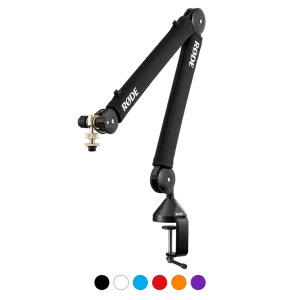
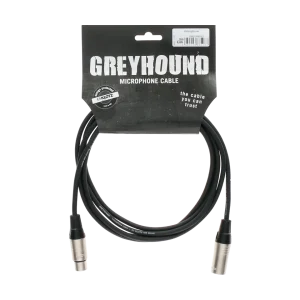
Explore equipment for your workspace: RØDE PSA1+ Professional Studio Microphone Boom Arm, RØDE XLR3M Premium XLR Cable, 3M Length, TC-Helicon GoXLR 4-Channel USB Streaming Mixer.
THE DETAILS
Technical specifications
Acoustic & Electrical Specifications
Pressure gradient
JFET impedance converter with bipolar output buffer
1.00"
Cardioid
Side
20 Hz-20 kHz
100Ω
137dB SPL
-32 dB re 1 Volt/Pascal (25 mV @ 94 dB SPL) +/- 2 dB @ 1kHz
5dBA
P24 or P48
3 pin XLR, balanced output between Pin 2 (+), Pin 3 (-) and Pin 1 (ground)
Mechanical Specifications
326
Height: 190; Width: 50; Depth: 50
Product identification
RODE
0698813000142
COMPLETE YOUR SETUP
Pairs well with
Beyerdynamic
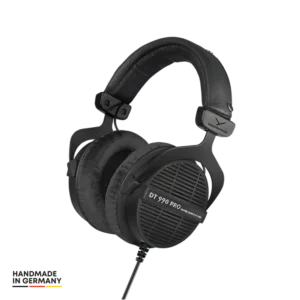
beyerdynamic DT 990 PRO Black Edition – 80 Ohm
Beyerdynamic
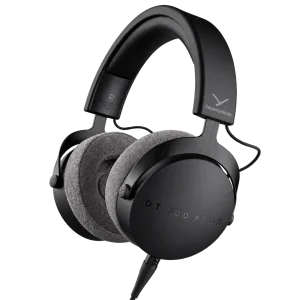
beyerdynamic DT 700 Pro X Studio Headphones