BUYING GUIDE
Audio
First Podcast Episode: Plan, Record and Publish in Kuwait
Your First Podcast Episode needs a clear subject, a workable recording plan and a short test of the complete audio path before the full conversation.
AS
AX Store
First Podcast Episode: the essentials
Your First Podcast Episode needs a clear subject, a workable recording plan and a short test of the complete audio path before the full conversation.
Write the promise in one sentence
Decide who the programme helps and what a listener should gain from an episode. A useful promise is specific enough to guide the questions and editing. A show for first-time PC builders, for example, needs a different structure from a broad conversation with friends.
Use that promise to choose one manageable topic for the first episode. Avoid trying to introduce every future subject in the opening recording. A completed useful conversation gives you better production feedback than an ambitious format that never reaches publication.
Choose a format you can repeat
| Format | Plan before recording | Equipment implication |
|---|---|---|
| Solo explanation | A clear sequence and examples | One microphone and a dependable monitoring route |
| Two-person interview | Guest briefing and topic order | Two local microphone inputs and monitoring feeds |
| Remote guest | Call route and return mix | Test mix-minus and the saved guest audio |
| Larger local conversation | Speaking order and room layout | Count independent microphone and headphone connections |
Choose a realistic session length and allow time for setup and editing. The format should fit the people, room and schedule that are actually available. More participants add coordination work as well as equipment requirements.
Build a small run sheet
Create a one-page outline: opening promise, three main sections, useful examples and closing takeaway. For an interview, send the guest the topic and broad direction in advance. Leave room for follow-up questions rather than reading a rigid script.
Mark any facts that require checking before publication. Separate the guest’s opinion from factual claims, and keep a list of names, product models and links mentioned. This saves time when writing the episode description and adding useful resources later.
Choose the recording chain around local people
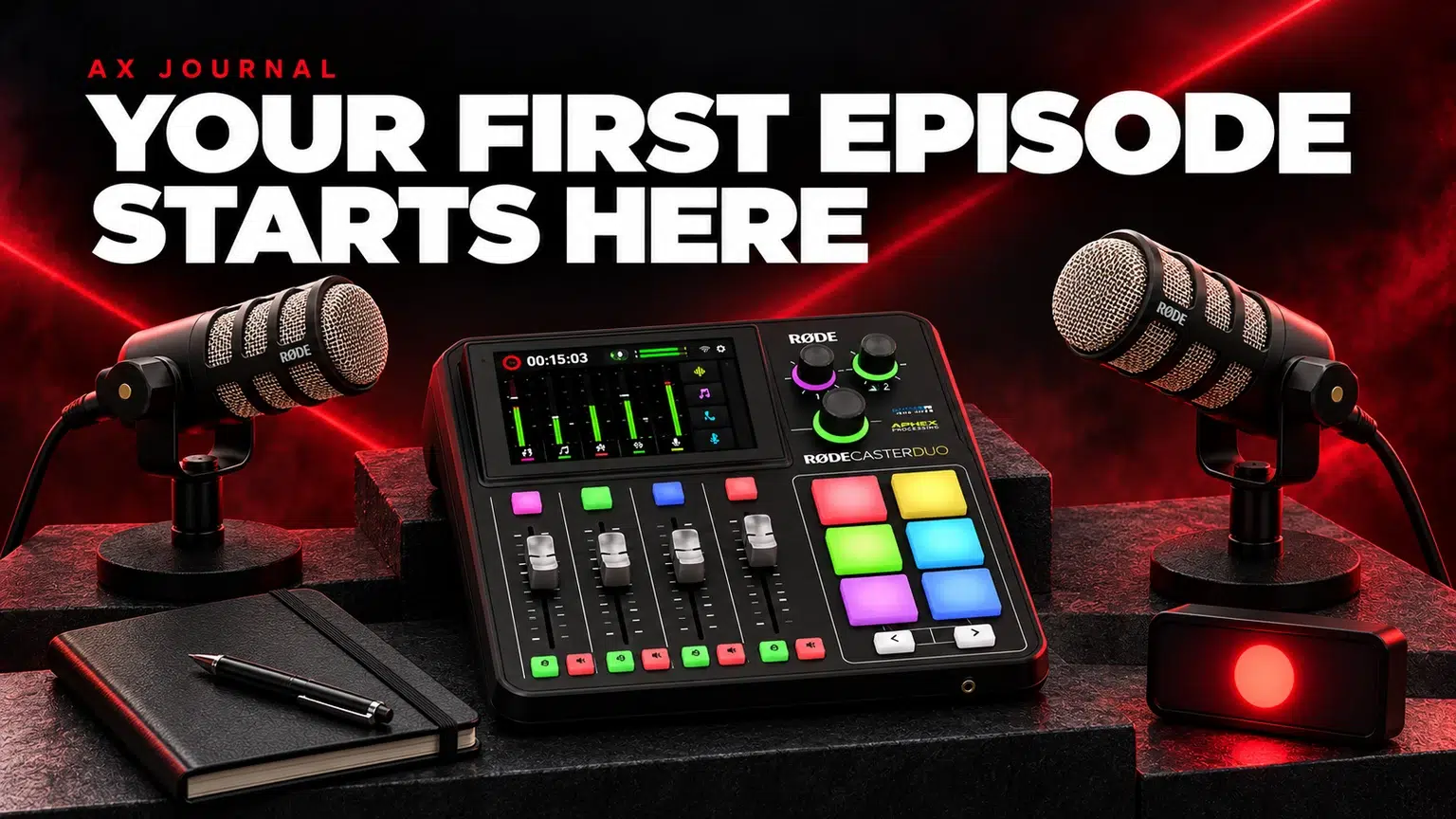
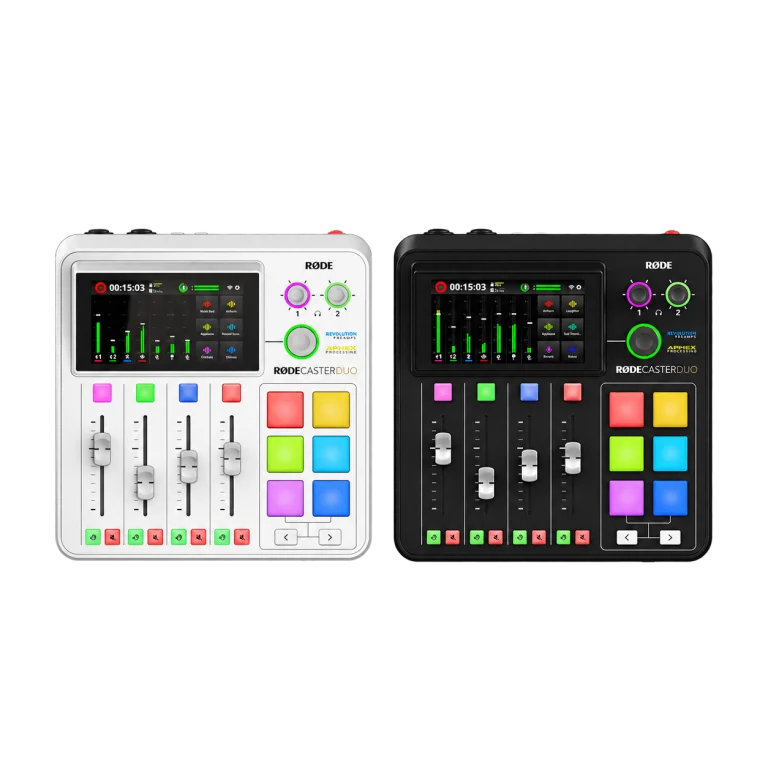
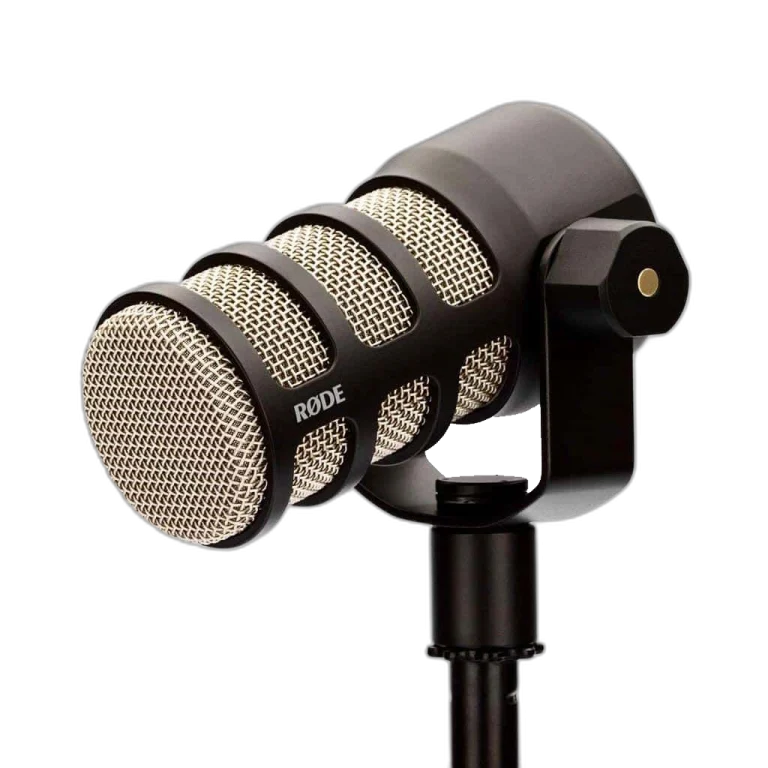
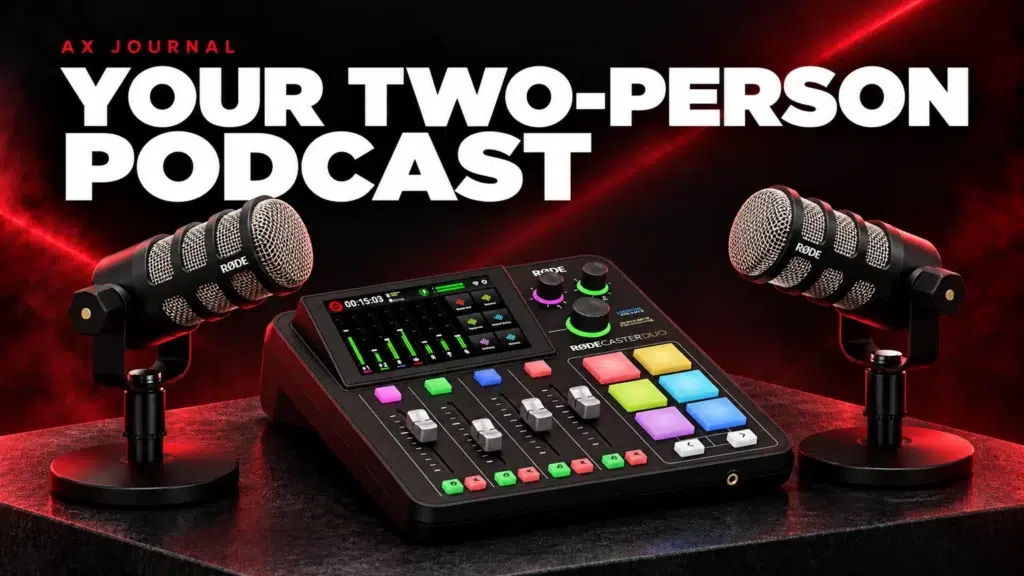
A RØDE PodMic needs a suitable XLR input, cable and stable mount. A RØDECaster Duo is one production-console option for a planned two-input local setup. The PSA1+ is an arm option to compare against the microphone assembly and desk.
Choose the required equipment rather than buying a full studio on the assumption that every item will improve the episode. A suitable XLR cable and reliable headphone monitoring are part of the working chain. Check current package contents on the individual product pages.
Record a one-minute rehearsal first
- Record normal speech from every participant.
- Include the loudest phrase you expect and a short pause.
- Check remote guest audio if a call is involved.
- Stop and open the saved recording.
- Listen for level, missing voices, clipping, echo and microphone handling.
- Correct the cause before starting the full session.
Use headphones during the test and check each listener’s feed. A recording indicator and moving meters are useful, but the saved audio confirms what can actually be edited.
Make editing serve the listener
Start by arranging the conversation into a clear sequence. Remove long interruptions, repeated setup discussion and material that does not serve the episode promise. Preserve enough context that a listener understands each example and transition.
Then balance speech and check distracting changes in level. Keep a copy of the original files before editing and use clear project names. Avoid treating processing as a way to repair every recording problem; a better microphone position or a retake can be more effective for a short section.
Prepare the publishing package
Write an episode title that tells the listener what the conversation offers. Add a concise description, useful links and names of guests or products that are actually discussed. Choose a cover and excerpt that represent the episode accurately.
If you use a podcast host, follow its current publishing and distribution instructions. Spotify explains that an RSS feed contains show information and episode-file links, and that a feed is created after the first episode is published when using its hosting workflow. Availability on other services still depends on the relevant distribution process.
Use a launch checklist instead of a rushed upload
- Listen to the beginning, middle and ending of the final export.
- Check the title, description and resource links.
- Confirm permissions for any guest contribution or third-party material you plan to use.
- Keep the original recording, edit project and final export in an organised backup.
- Publish through the chosen host and check the listener-facing result.
- Write down one production improvement for the next episode.
For the hardware list, use the two-person equipment guide. For a RØDE system, read the complete setup guide. A strong first episode is the start of a repeatable process: a clear topic, an intelligible recording and a useful finished conversation.
Frequently asked questions
Do I need an expensive studio for the first episode?
Start with a suitable chain for the number of speakers, a manageable room and a reliable saved recording. Add equipment when it solves a defined production need.
Should I record the whole episode before testing?
A short saved rehearsal reveals missing audio and routing problems before they affect the full conversation.
Does publishing to one service automatically publish everywhere?
Follow the host and each destination’s current distribution process. An RSS feed provides information for distribution, but destination availability should still be checked.
Continue planning your setup
- Two-Person Podcast Setup: The Complete Equipment and Recording Checklist
- Build a Complete RØDE Audio Setup: Microphone, Mixer, Monitoring and Cables
- RØDECaster Duo Setup Guide: Microphones, USB Routing and Multitrack Recording
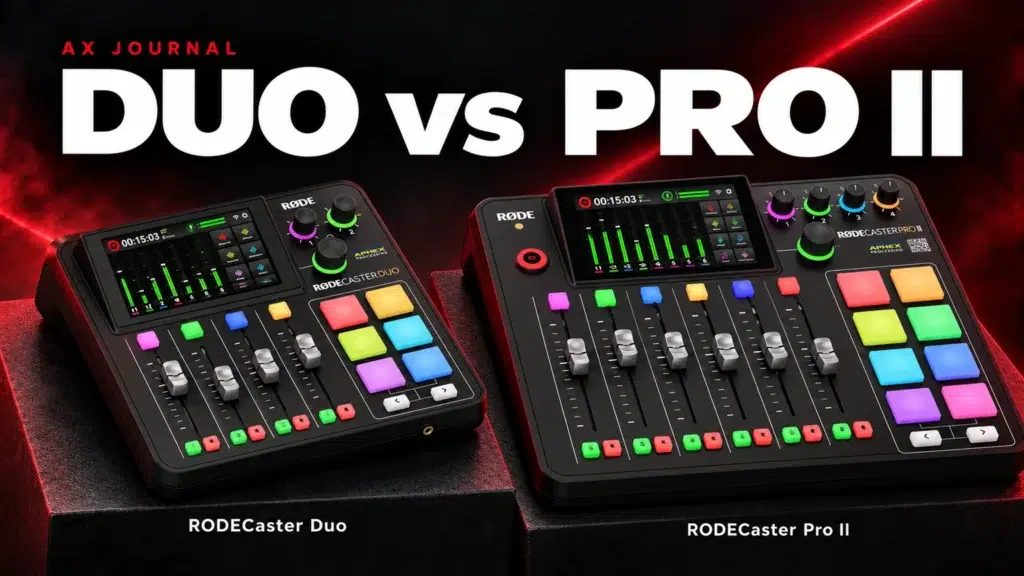
Related guide: RØDECaster Duo and Pro II guide.
Explore Audio Interfaces & Mixers or ask AX Store Kuwait about your setup.
Shop the equipment in Kuwait
AX price check, 26 October 2026: RODE RODECaster Duo Integrated Audio Production Studio — KWD 169.900 (in stock); RØDE PodMic Dynamic Podcasting Microphone, XLR — KWD 39.000 (in stock). The product cards show the current price and availability when you shop.
Explore RODE at AX Kuwait, Stagg at AX Kuwait for the rest of the range.
AS


Build a setup that fits how you use it
Tell AX your exact models and what you want to do. We can help match the equipment and connections.