
BUYING GUIDE
Audio
7 Best Microphones in Kuwait for Gaming and Podcasts
The Best Microphones in Kuwait for your setup are the ones that match your room, connection and recording format; this shortlist covers seven useful.
AS
AX Store
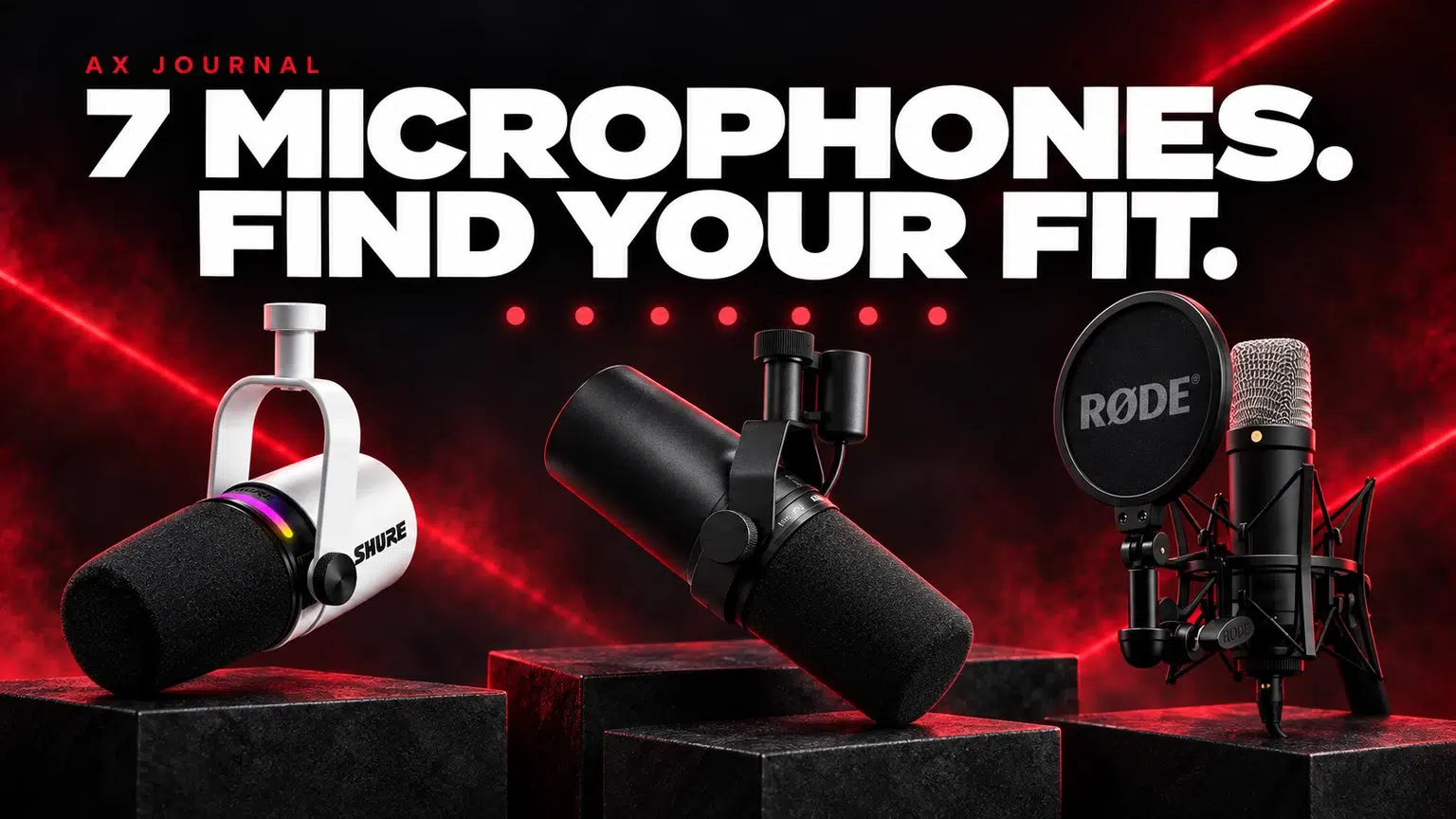
Best Microphones in Kuwait: the essentials
The Best Microphones in Kuwait for your setup are the ones that match your room, connection and recording format; this shortlist covers seven useful starting points.
How this shortlist was selected
This is an editorial buying guide built from the products’ documented connections and intended workflows. The selection gives different users a useful starting point rather than ranking every microphone by a single supposed sound-quality score. Current AX product pages show availability and package contents.
Before choosing, decide whether the microphone will connect directly by USB or through an XLR interface. Include a suitable mount, cable and headphone-monitoring plan in the budget. A microphone can be an excellent product and still be the wrong first purchase for your existing equipment.
The seven picks at a glance
| Microphone | Best reason to shortlist it | Connection plan |
|---|---|---|
| Shure MV7+ | A USB voice setup with Shure digital controls | USB now; suitable XLR chain when needed |
| RØDE PodMic USB | A hybrid microphone in a RØDE workflow | USB or XLR |
| RØDE PodMic | A straightforward XLR podcast desk | Interface or mixer required |
| Shure SM7dB | An SM7-style desk with built-in active gain options | Suitable XLR input and correct power setting |
| Shure SM7B | A deliberate passive XLR recording chain | Check clean preamp gain |
| RØDE NT1 5th Gen | Studio voice or instrument recording with flexible connections | USB or XLR; condenser workflow |
| Elgato Wave:3 | A compact USB streaming desk | USB with supported Elgato software |
The order is a workflow map, not a claim that the first microphone wins every comparison. Check the full model name: MV7+ differs from MV7X or MV7i, NT1 5th Gen differs from NT1-A, and original Wave:3 differs from Wave:3 MK.2.
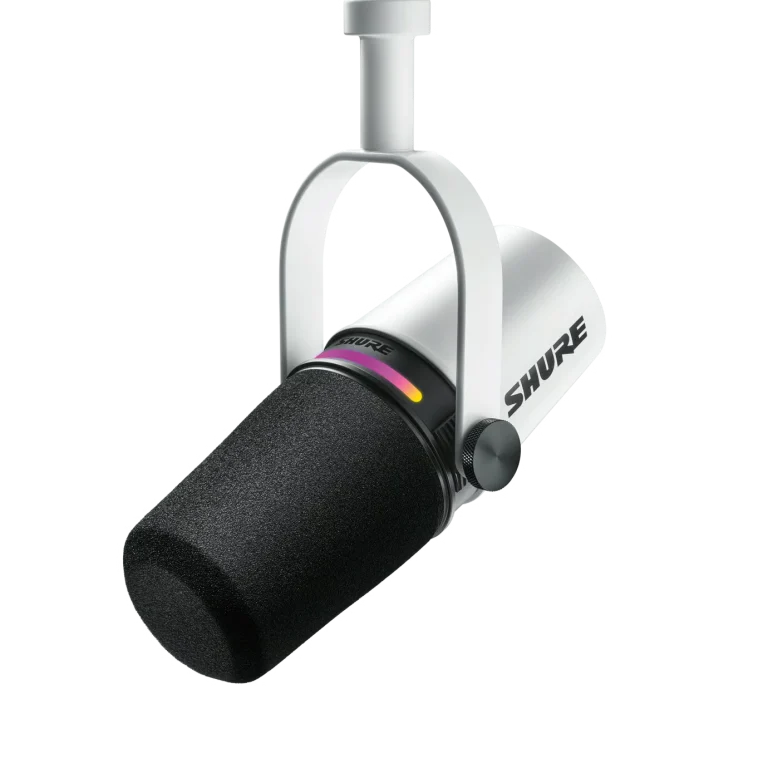
1. Shure MV7+: for a direct USB voice workflow
The MV7+ is a useful first comparison when you want a dynamic USB microphone with supported Shure controls and headphone monitoring. Its XLR output also leaves a path to a separate mixer later.
Use its digital tools to address a defined problem after microphone placement is sensible. USB processing should not be assumed to alter the passive XLR signal. Choose this microphone because you want its workflow, rather than expecting software to remove every sound in the room.
Microphone options under KWD 100
For a microphone-only budget below KWD 100, the RØDE PodMic XLR and PodMic USB are useful starting points. The XLR version needs a suitable microphone interface and cable; the USB version can start with a supported computer connection. Budget for the complete chain before comparing the two microphone prices.
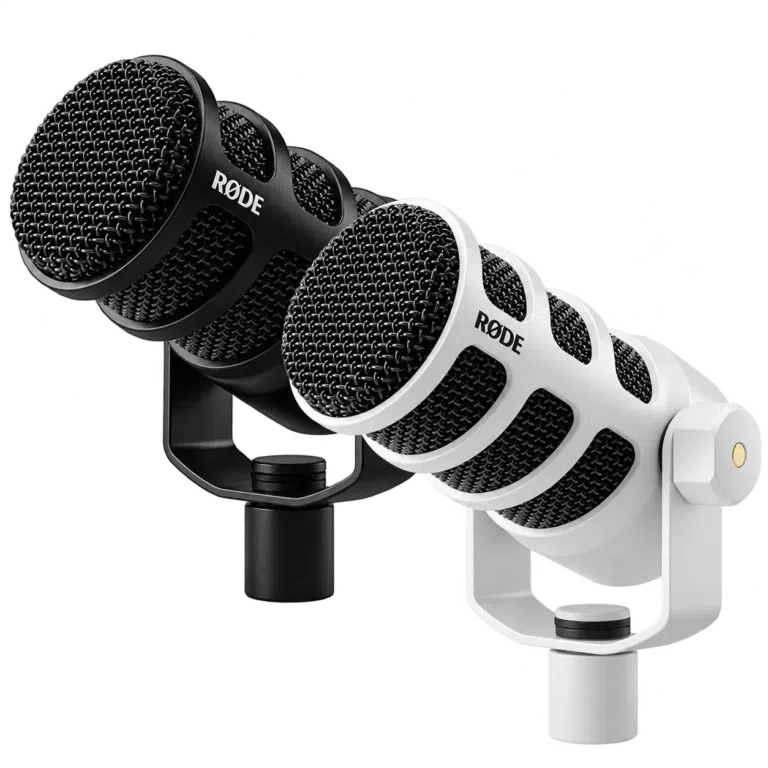
2. RØDE PodMic USB: for a flexible RØDE desk
The PodMic USB suits a creator who wants direct computer use and the option to move into an XLR production setup. Its USB processing and monitoring belong to the digital route.
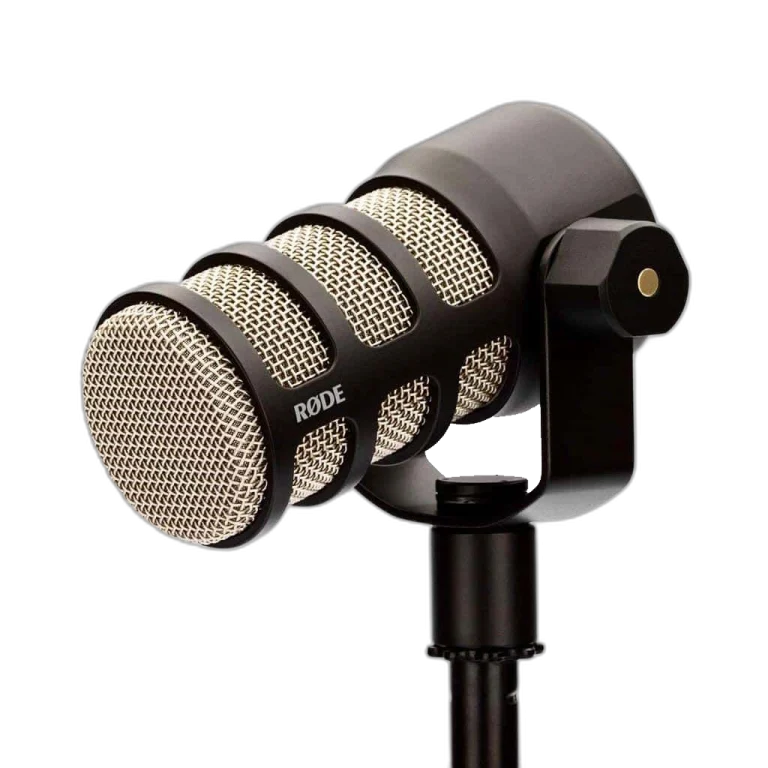
Compare supported software, mounting needs and the connection you will use now. Follow RØDE’s power instructions when connecting XLR. The original PodMic below is a different product, so check the USB suffix before ordering.
3. RØDE PodMic: for a focused XLR podcast system
The PodMic is the straightforward shortlist when a suitable interface or mixer is already part of the plan. It keeps the microphone purchase tied to the analogue recording chain.
Budget for the XLR cable, a compatible mount and the required preamp. For two people, count two independent microphone inputs and headphone feeds. A single XLR microphone plus a passive cable into a laptop does not replace an audio interface.
4. Shure SM7dB: for built-in gain flexibility
The SM7dB adds an active preamp to the SM7-style workflow, with documented boost and bypass settings. Its active mode requires the appropriate phantom-power supply from the connected input.
Check the rear switches and interface configuration before diagnosing a quiet signal. The built-in gain changes the accessory calculation, so an external inline booster should not be added automatically.
5. Shure SM7B: for a planned passive XLR chain
The SM7B suits a buyer who is prepared to match microphone distance, gain and recording equipment. It is a passive XLR microphone, so the quality of the complete setup matters.
Shure’s gain guidance is a better starting point than a rule that every SM7B requires a Cloudlifter. Check the actual recorded level and noise. Add an inline preamp only when it solves a usable-gain problem in the existing chain.
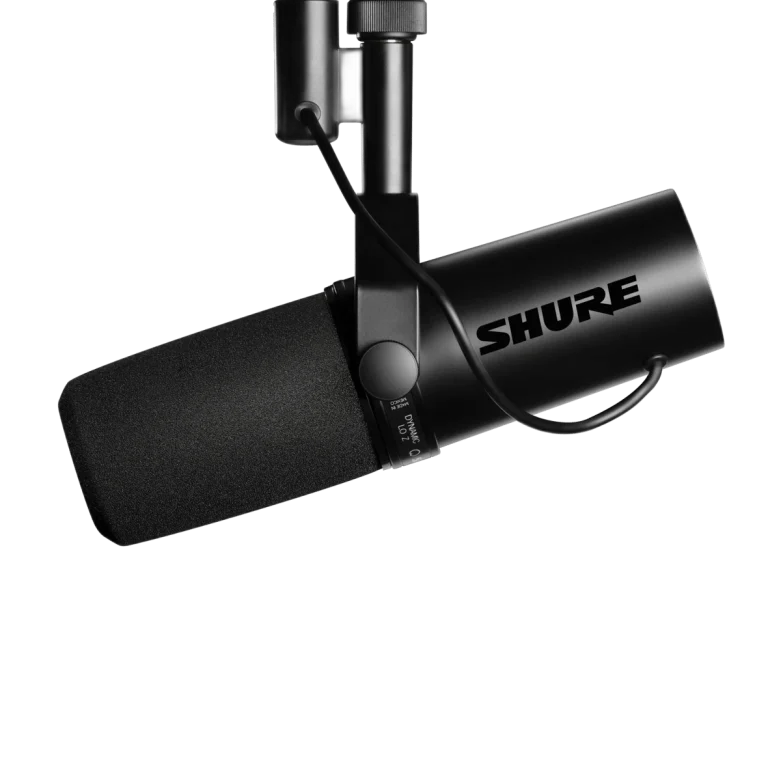
6. RØDE NT1 5th Gen: for studio recording flexibility
The NT1 5th Gen is a large-diaphragm condenser with USB and XLR connection options. It is worth comparing for voice, vocals and instrument work where the room and placement can be controlled.
Its specialised digital recording features require the documented software and recording workflow. They are not a reason to ignore room reflections or careless levels elsewhere in the chain. Confirm that the selected recording application supports the feature you intend to use.
7. Elgato Wave:3: for an organised USB stream
The original Wave:3 is a USB condenser option for a creator who wants a compact microphone and a supported Elgato software workflow. Compare its monitoring and desk placement with the rest of your setup.
Check the exact generation before copying features from a newer product page. Wave:3 MK.2 is a separate model; its newer processor and features should not be assigned to an original Wave:3 listing.
Choose the complete setup, then test it
For an uncomplicated computer desk, shortlist the USB choices first. For a mixer-based podcast, shortlist the XLR route and count the inputs. For studio recording, include room control and microphone placement in the plan.
Use our MV7+ and PodMic USB guide for the hybrid choice, RØDE setup guide for a complete system and silent microphone troubleshooting guide when existing hardware is not working. A clear route and a saved test recording are useful with every microphone in this list.
Frequently asked questions
Which is the best microphone for every streamer?
There is no single fit for every room and workflow. Start with USB versus XLR, mounting, monitoring and the number of local speakers.
Does the list include all accessories?
The microphone shortlist is separate from the setup budget. Check each product’s actual package, then add the required mount, cable or interface.
Can I start streaming with a USB microphone?
Yes. A suitable USB microphone can connect directly to a supported computer. Check its mounting, monitoring and cable package before adding a separate interface.
Continue planning your setup
- Shure MV7+ vs RØDE PodMic USB: Choose Your USB and XLR Workflow
- Build a Complete RØDE Audio Setup: Microphone, Mixer, Monitoring and Cables
- USB Mic Not Working in Windows or Discord?
Related guide: USB vs XLR microphones.
Explore Microphones or ask AX Store Kuwait about your setup.
Shop the equipment in Kuwait
AX price check, 26 October 2026: Shure MV7+ Hybrid Dynamic Podcast Microphone, USB and XLR — KWD 99.000 (out of stock); RØDE PodMic USB Dynamic Microphone – USB-C & XLR – Black / White — KWD 69.900 (in stock). The product cards show the current price and availability when you shop.
Explore SHURE at AX Kuwait, RODE at AX Kuwait, Elgato at AX Kuwait for the rest of the range.
A useful next guide
Continue with 7 Best Headphones in Kuwait for Gaming and Music to plan the related part of your setup.
AS


Build a setup that fits how you use it
Tell AX your exact models and what you want to do. We can help match the equipment and connections.